
Last updated November 22, 2026
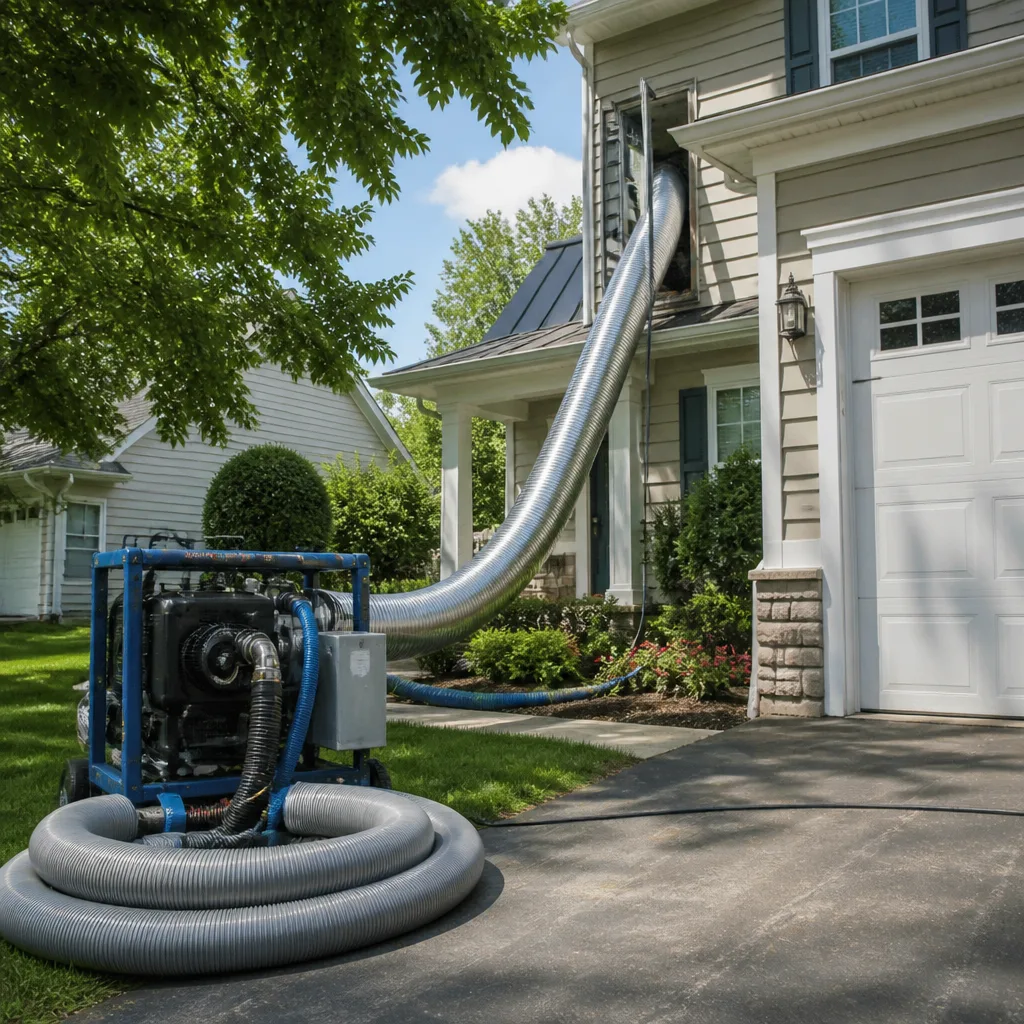 Whole-home duct cleaning
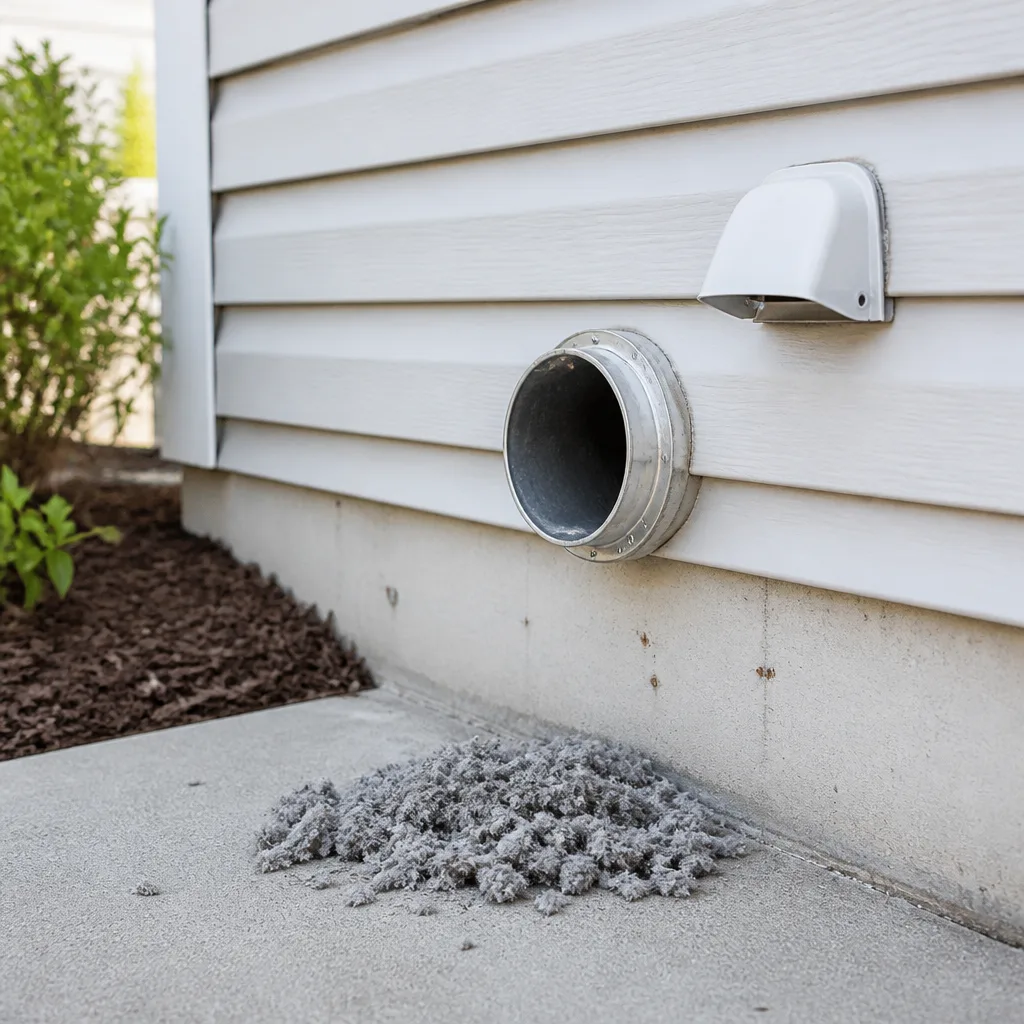 Dryer vent cleaning
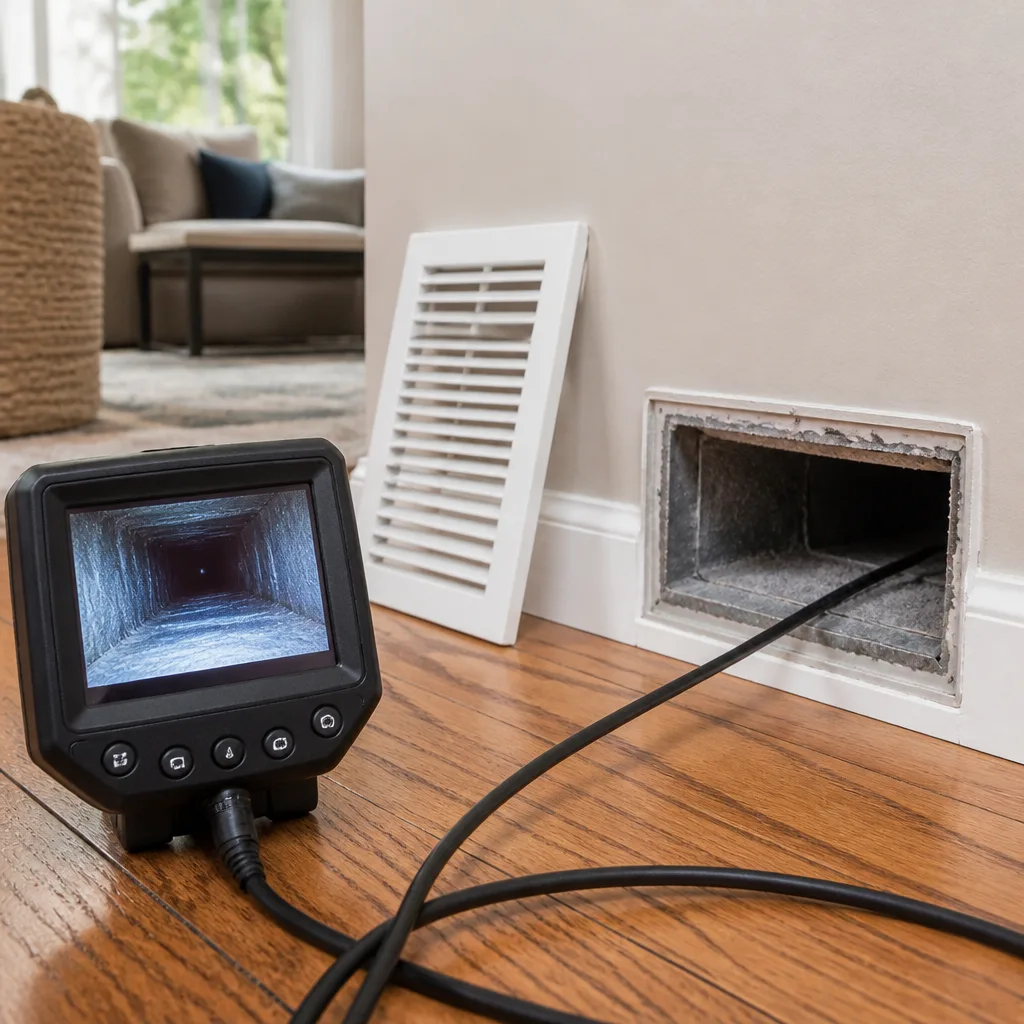 Camera inspection
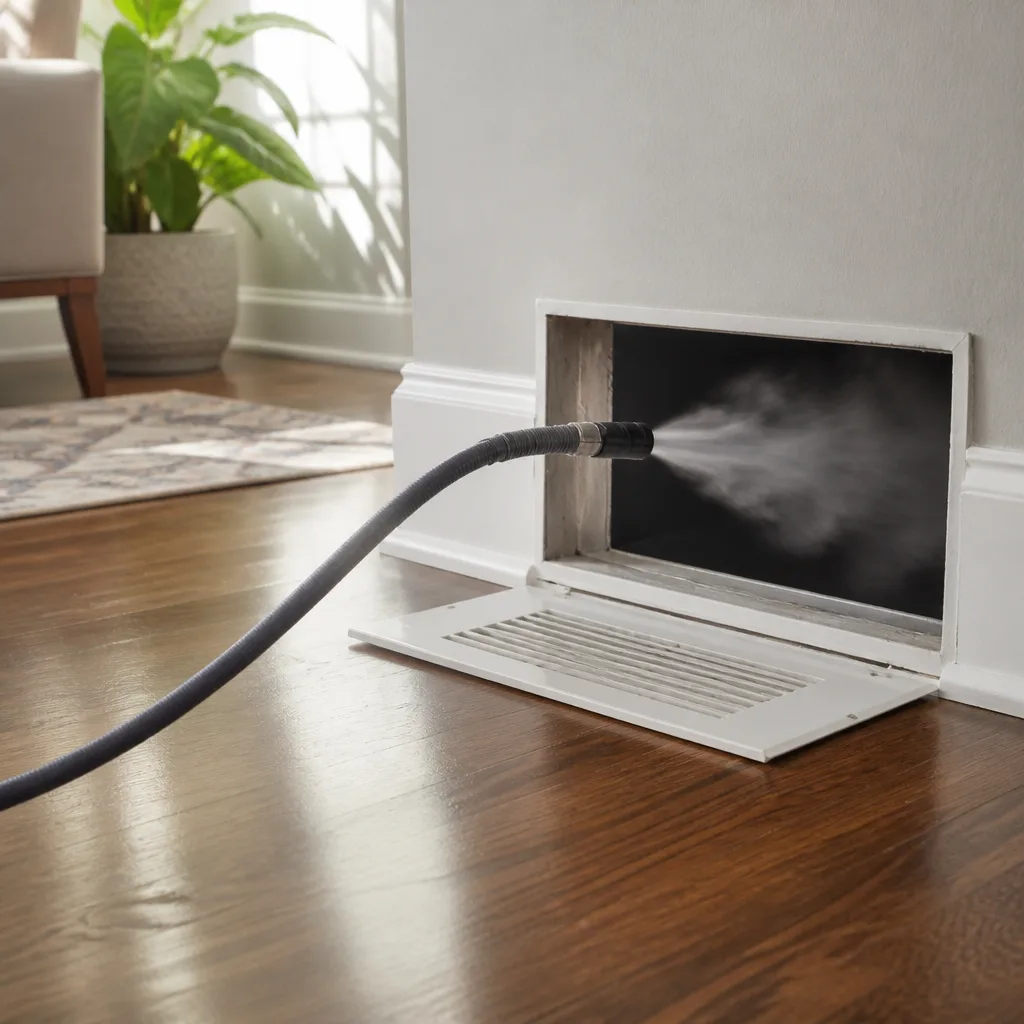 Sanitizing & deodorizing
Whole-system duct and dryer vent check with before-and-after photos - you see exactly what came out of your vents
That "$99 whole-house special" is a bait ad - the real number appears once they are in your hallway, or the "clean" is a shop-vac at the register. We photograph the inside of your ducts before and after instead.
Air Duct Cleaning Permits, Codes & Inspections in Far Rockaway, NY: What You Need to Know
Cleaning your ducts is maintenance. Cutting into them is construction. That’s the line, and it’s sharper than most homeowners expect. A technician can run a Rotobrush whip through every branch line in your house and never touch a permit office. But let that same visit turn up a disconnected trunk line in the basement or a crushed flex run behind a finished ceiling, and the repair that fixes it falls under New York City’s mechanical code. Far Rockaway sits firmly in that jurisdiction, which changes what you’re allowed to do and who can do it. This guide maps exactly where cleaning ends and permitted work begins, how to check a contractor’s authorization, and what to do when a routine cleaning uncovers something that was never signed off.
Quick Answer
No permit is required to clean air ducts in Far Rockaway, NY. Cleaning, vacuuming, and sanitizing are classified as maintenance under the NYC Mechanical Code and fall outside permit scope. A permit becomes necessary when ductwork is repaired, replaced, extended, or newly installed, because that work is regulated as mechanical construction. Sealing leaks and reconnecting joints generally count as maintenance; replacing a section of duct, adding a new run, or altering the system’s layout usually requires a filing. If a cleaning reveals damage, ask the contractor directly whether the fix is maintenance or permitted work before anyone touches it.
Styles & brands we work with
- Whole-home duct cleaning
- Dryer vent cleaning
- Camera inspection
- Sanitizing & deodorizing
Table of Contents
- Cleaning vs. Construction: Where the Permit Line Actually Sits
- What NYC Mechanical Code Chapter 6 Covers for Ductwork
- Queens Jurisdiction vs. Nassau County Across the Border
- When a Cleaning Job Reveals a Code Violation You Now Own
- How to Verify a Contractor’s Authorization for Duct Repair
- Post-Sandy Rebuilds and Open Permits on the Property Record
- What an Inspection of Ductwork Actually Looks At
- Paperwork to Keep After Cleaning, Repair, or Sealing
Cleaning vs. Construction: Where the Permit Line Actually Sits
New York City treats duct cleaning as maintenance. Nothing about pulling debris out of a system changes the building’s mechanical configuration, so there’s nothing to file. That holds whether the work is a light residential cleaning or a full commercial-grade job with Abatement Technologies containment and HEPA filtration running during the process. The moment the scope shifts from removing material to altering the system, the classification changes with it.
Here’s a working test we use on every job in Far Rockaway: does the work change what the system is, or only what’s inside it?
- Maintenance, no permit: vacuuming and agitating duct interiors, sanitizing with an applied product, reconnecting a joint that has slipped apart, sealing a seam with mastic or approved tape, cleaning the air handler and coil surfaces, cleaning the dryer vent.
- Construction, permit typically required: replacing a run of duct, installing new ductwork for an addition or a converted space, rerouting a trunk line, changing duct size, adding or removing supply or return registers in a way that changes the system’s design, connecting a new appliance to the duct system.
The gray zone is sealing. A technician who brushes mastic over a leaking joint is doing maintenance. A technician who cuts out a damaged section and splices in new duct is not. The difference sounds small until you’re the one holding the bill and the violation notice.
One more thing worth knowing: cleaning doesn’t require a permit, but it also doesn’t require a license in the way repair work does. That asymmetry is why some cheap cleaning operations quietly offer to “fix” what they find. If a company is willing to do permitted mechanical work without filing, that’s your signal to end the conversation. For the cleaning side of the equation, the local pros we connect you with are licensed and insured as their state requires, and the written estimate sets the price before work begins.
What NYC Mechanical Code Chapter 6 Covers for Ductwork
Chapter 6 of the NYC Mechanical Code is the section that governs duct systems: materials, installation, clearance, sealing, and support. It’s written for the installer, but the parts that matter to a homeowner are narrower than the whole chapter. Here’s what actually gets applied when a duct repair comes up for review.
- Materials. Duct material has to be approved for the application. Flex duct, sheet metal, and duct board each carry their own installation rules, and a repair using material that doesn’t match the spec won’t pass.
- Sealing. Joints, seams, and connections must be sealed. This is the requirement most often skipped on quick repairs, and it’s the one that shows up in a failed inspection.
- Support and clearance. Ducts running through unconditioned space need support at intervals and clearance from combustibles. A homeowner rarely notices a sagging duct; an inspector does.
- Return air. Return ductwork has its own requirements, particularly where a return is drawn through a cavity or a plenum. Improper return construction is a recurring finding in older Far Rockaway homes.
Two things routinely trip people up. First, the code doesn’t care that the original installation was already wrong. If your repair touches a noncompliant section, the review can extend to the section you touched. Second, a repair that seems cosmetic can pull in the whole system if it changes capacity or configuration.
We’ve watched homeowners assume that any sealing work is exempt because it sounds like maintenance. Some of it is. Some of it isn’t. The safest move is to ask your contractor, in writing, whether the fix is maintenance under Chapter 6 or permitted work, and to get that answer before the technician starts. If a company can’t explain the difference on your own system, that tells you something about how they’ll handle the inspection if one comes.
Queens Jurisdiction vs. Nassau County Across the Border
Far Rockaway is part of Queens, which means NYC Mechanical Code, NYC Department of Buildings filings, and NYC inspections apply to every permitted duct repair on this side of the line. Drive a few minutes east and you’re in Nassau County, where a different code, a different permitting authority, and a different inspection process take over. That border is invisible from the street, and it catches people out constantly.
- A contractor licensed to pull permits in Nassau County is not automatically authorized to file in Queens. The authorization runs by jurisdiction.
- A property that straddles the line, or a homeowner who owns on both sides, cannot use one permit to cover work on the other side.
- Contractors who work mostly in Nassau sometimes quote Far Rockaway jobs as if the county rules applied. They don’t.
- Inspection scheduling and sign-off differ between the two, which is why a repair that would close out in days across the line can take longer here.
This matters most for homeowners near the Nassau border who’ve had work done recently by a company from out that way. If the contractor didn’t file in Queens, the work may be sitting there unpermitted, and the record follows the property, not the contractor.
Tenants and co-op owners in Far Rockaway should also ask who the permit holder would be. In a multi-unit building, the building owner is often the one on the filing, and the shareholder is the one paying. Knowing that before a repair starts avoids a fight later. If you’re comparing companies for the cleaning work itself, start with a clear picture of what air duct cleaning actually involves before any repair conversation begins.
When a Cleaning Job Reveals a Code Violation You Now Own
Here’s the part nobody warns you about. A camera inspection during cleaning is designed to find problems, and sometimes it finds problems that weren’t created by the cleaning. A disconnected trunk line in the basement. A flex duct crushed behind a soffit. A return plenum drawing air from a crawlspace. Once those are documented, they’re on the record, and as the property owner, they’re yours to resolve.
That said, “documented” doesn’t mean “condemned.” You have real options:
- Fix it under a permit. The repair gets filed, inspected, and closed out. Cleanest outcome, most defensible at resale.
- Confirm whether a permit is actually needed. Some findings are maintenance-level fixes. A disconnected joint that a technician reconnects and seals may not require a filing. Get that determination in writing.
- Document and disclose. If you’re not fixing now, keep the inspection video and photos and disclose at sale. Buyers can negotiate from a known problem far better than an unknown one.
- Resolve the safety issue immediately. Anything affecting combustion air, exhaust, or exhaust from a gas appliance needs professional attention now, not at the next inspection cycle.
The one you don’t want is the fourth option: ignore it, then discover it during a home sale or a fire inspection. That’s the scenario where a small mechanical issue turns into a delayed closing.
We’ve seen Far Rockaway homes where duct damage sat undisclosed through two sales. In every case, the buyer’s inspector found it, and the seller paid for it in the negotiation with less leverage than they’d have had. If your cleaning turns up something, treat it as information and act on it, not as a problem to bury. Clean ducts are only half the job.
How to Verify a Contractor’s Authorization for Duct Repair
A licensed contractor’s authorization for duct repair in New York City is a filing with the Department of Buildings, not a business card. Here’s how to check, in order, before you let anyone touch permitted work.
- Ask for the license. A New York City licensed master or journeyman is what you’re looking for. The license number can be checked against the Department of Buildings licensing records. Write the number down and verify it independently; don’t take the number on the invoice as proof.
- Ask for the insurance certificate. General liability and workers’ compensation. The certificate should name the property or the building owner as certificate holder, not just the contractor.
- Ask who files the permit. If the answer is vague, ask who the filing will be under. Get the name and the license number of the filing party.
- Ask for the permit number once the job is filed. The number should be visible in the DOB system along with the job address. If it isn’t, the permit was never filed.
- Keep the inspection card. When the inspection happens, the sign-off is documentation of the work. Save it with your property records.
A contractor who can’t walk you through those five steps isn’t set up to do permitted mechanical work in Far Rockaway. That’s not a knock on their cleaning. A cleaning company and a mechanical contractor are different roles, and we’re clear about which one we fill. If the scope on your property needs a licensed mechanical contractor and a permit, that’s the professional you call, and the cleaning can happen separately.
One legitimate complication: many cleaning companies will tell you that their findings need “fixing” by a licensed contractor and leave it there. That’s honest, but it leaves you holding the problem. We handle the HVAC cleaning and duct integrity side, and we’ll tell you when what you’ve got needs a filing, so you’re not getting contradictory advice from three tradespeople. Better air starts with what you can’t see, but the paperwork matters too.
Post-Sandy Rebuilds and Open Permits on the Property Record
Hurricane Sandy reshaped a lot of housing in Far Rockaway, and the rebuild that followed left a paper trail that still matters today. Some of the mechanical permits opened during those rebuilds were never formally closed out. That’s not an accusation about anyone’s work, it’s a reality of how rebuilds went during a period when inspections were delayed and contractors were stretched thin. But it does affect you if you own, buy, or plan to work on one of those homes now.
Here’s what to do before you approve any duct repair or mechanical work in a post-Sandy Far Rockaway property:
- Pull the property record. Ask the Department of Buildings for the permit and violation history on your address. Open permits show up there.
- Look for any open mechanical, electrical, or plumbing filing. An open filing from a prior owner doesn’t automatically stop you from doing work, but it complicates the record.
- Ask whether the open permit can be closed. Sometimes the work was completed and the sign-off simply never happened. That’s a paperwork fix. Sometimes the work wasn’t done to spec, and that’s a different conversation.
- Disclose anything you find at resale. Open permits a buyer’s attorney finds become negotiation points. Ones you disclose with a resolution plan are a much smaller issue.
We also want to be honest about something easy to misread: finding an open permit doesn’t mean your ducts are damaged. It means the property has an administrative loose end. Fixing that loose end is worth doing whether or not the ducts need anything.
If you’re looking at duct work on a home with rebuild history, have the property record in hand before the estimate. It changes the conversation. And if you’ve got a dryer vent on the property, that’s often the piece rebuild-era homes get wrong, which is why we treat dryer vent cleaning as part of the scope rather than an upsell.
What an Inspection of Ductwork Actually Looks At
An inspection on permitted ductwork isn’t a cleaning check. The inspector isn’t scoring how clean your ducts are, they’re verifying that what was installed or repaired meets the code. A few things they’ll look at:
- Material and thickness. Duct material has to match what’s specified for the application and the location.
- Sealing at joints and connections. Every seam is a candidate for inspection.
- Support and clearance. Duct runs need proper support and required clearance from combustibles.
- Configuration. Supply and return layout matching the permitted scope. Alterations outside that scope show up here.
- Access. Whether the system can be inspected and serviced, which is the piece that most often determines whether a future cleaning can actually be done well.
For cleaning-only work, there’s no inspection, but there’s still a standard. When we clean a system in Far Rockaway, we work inside it with professional-grade Rotobrush and Nikro equipment, and the standard has to be higher because we’re working where air will flow afterward. Any inspection we’re not involved in is a mechanical inspection by the authorized contractor and the city, and that’s how it should be.
If a duct repair on your property requires an inspection, expect a two-step close-out: the contractor’s work, then the inspector’s sign-off. Don’t sign the final invoice until the sign-off is in hand. A contractor who tells you not to worry about it because “inspection isn’t needed for this” is worth questioning, particularly if the work plainly changed the system’s configuration.
Paperwork to Keep After Cleaning, Repair, or Sealing
Keep the folder. It sounds boring, and it saves real money later. Here’s exactly what belongs in it, in order of how often it comes up.
- The written estimate. One flat price per system, agreed before work starts. That document is the record of scope.
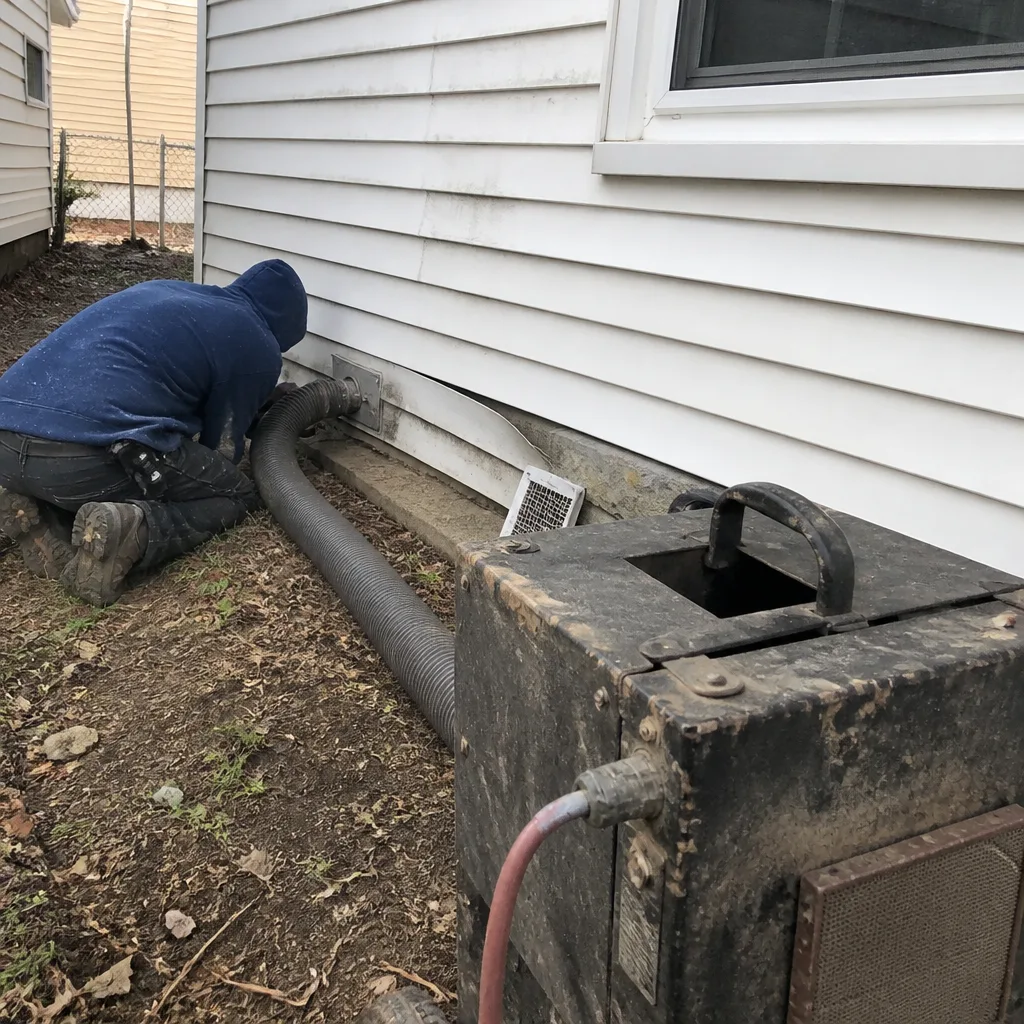
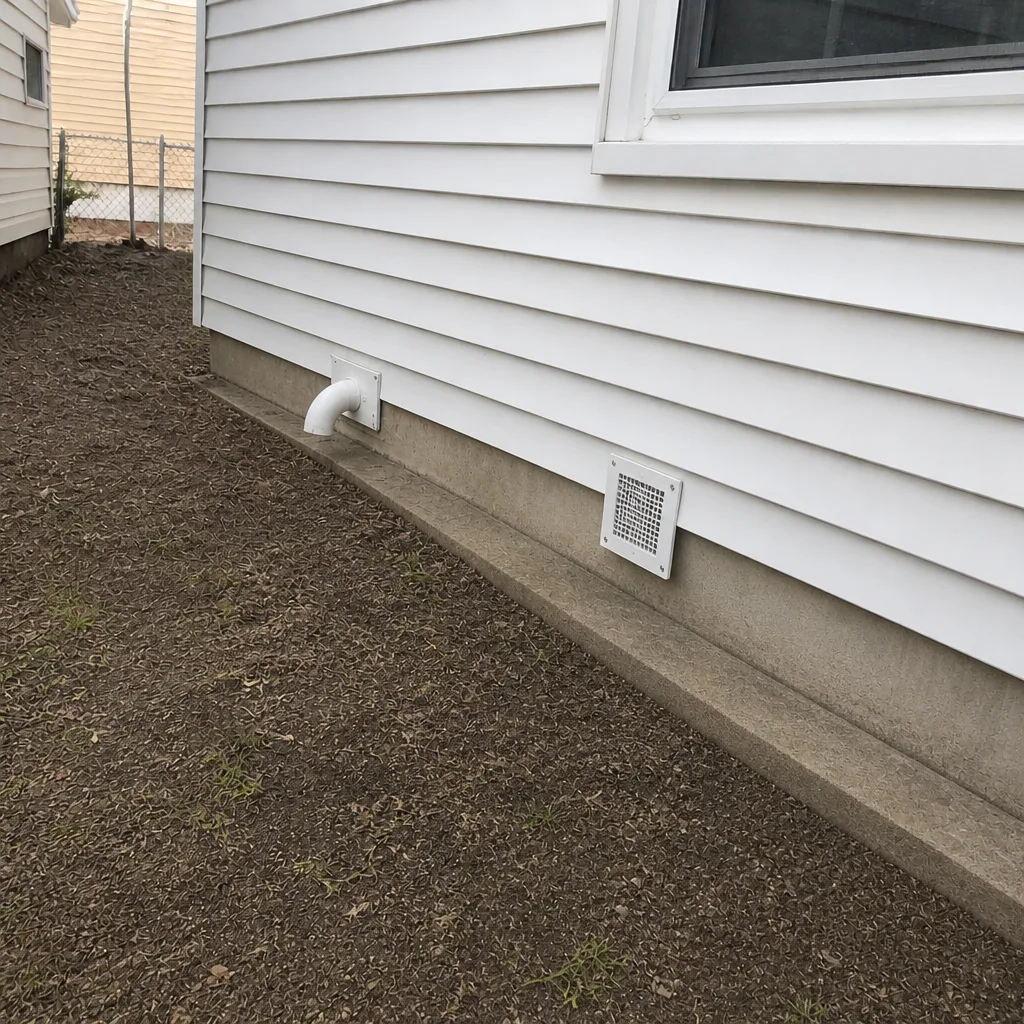
- Before-and-after photos of your own ducts. Not stock photos. Yours. This is the single best protection against the industry’s bait-and-switch reputation, and it’s the file you hand a buyer’s inspector.
- Any camera video produced during cleaning. If the technician found damage, the footage is the finding.
- The permit number and inspection sign-off, if the work was permitted. Keep these with the deed file.
- Product documentation for any sanitizing or air quality products applied, including compatibility notes for any Honeywell or Aprilaire equipment in the system.
- The dryer vent cleaning record, which matters for insurance and for fire safety documentation.
If you’ve had a repair, keep the contractor’s license number and insurance certificate with the file. Two years later, the property has a documented history instead of a gap. When the next contractor shows up, that folder makes the conversation faster, which usually saves money on the estimate. For routine cleaning work and scope guidance, the Air Duct Cleaning Far Rockaway page is the starting point.
Common Mistakes to Avoid
- Assuming a cleaning quote covers repairs. A cleaning estimate is not a repair estimate, and a company that starts with a low cleaning figure and pivots to repair findings is telling you something. Get the cleaning price in writing and a separate written scope for anything discovered.
- Letting a Nassau-based contractor file in Queens without checking the license. Authorization runs by jurisdiction. Verify the license against the NYC Department of Buildings record before permitting work begins.
- Treating all sealing as maintenance. Mastic over a joint is one thing; replacing a duct section is another. Ask which one applies to your job before the technician starts.
- Ignoring open permits on a rebuilt home. Post-Sandy rebuilds left administrative loose ends on many Far Rockaway properties. Pull the property record before a repair, not after.
- Skipping the photos. Cheap cleaning operations sometimes leave without documentation. Before-and-after photos of your own ducts are the only proof that work happened, and they matter when you sell.
- Confusing cleaning with air sealing and air quality work. Cleaning removes debris. Sealing stops infiltration. Sanitizing addresses microbial and odor problems. They’re different services, and a provider might not handle all three.
- Using a general handyman for duct repair. Ductwork in a New York City home falls under mechanical code, and the person touching it should be authorized for that scope of work in this jurisdiction.
See the difference
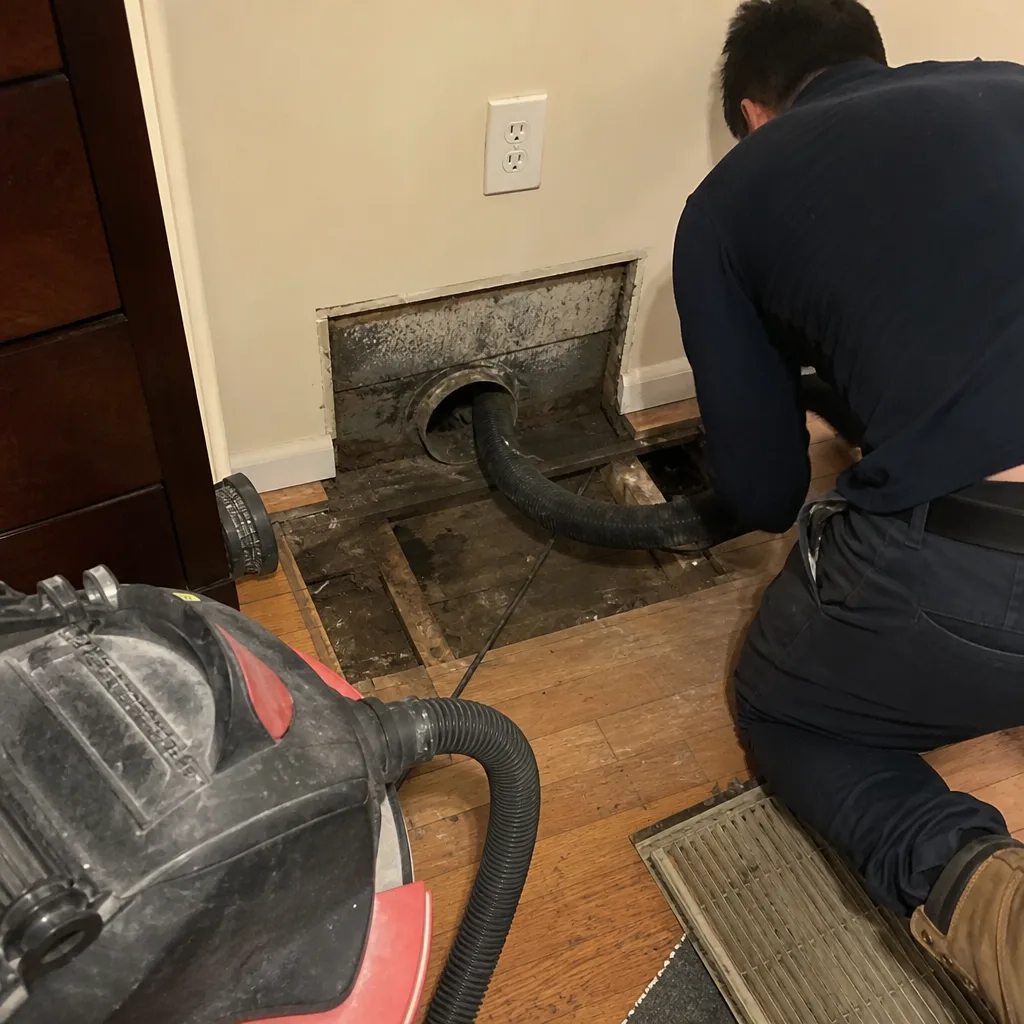 Before
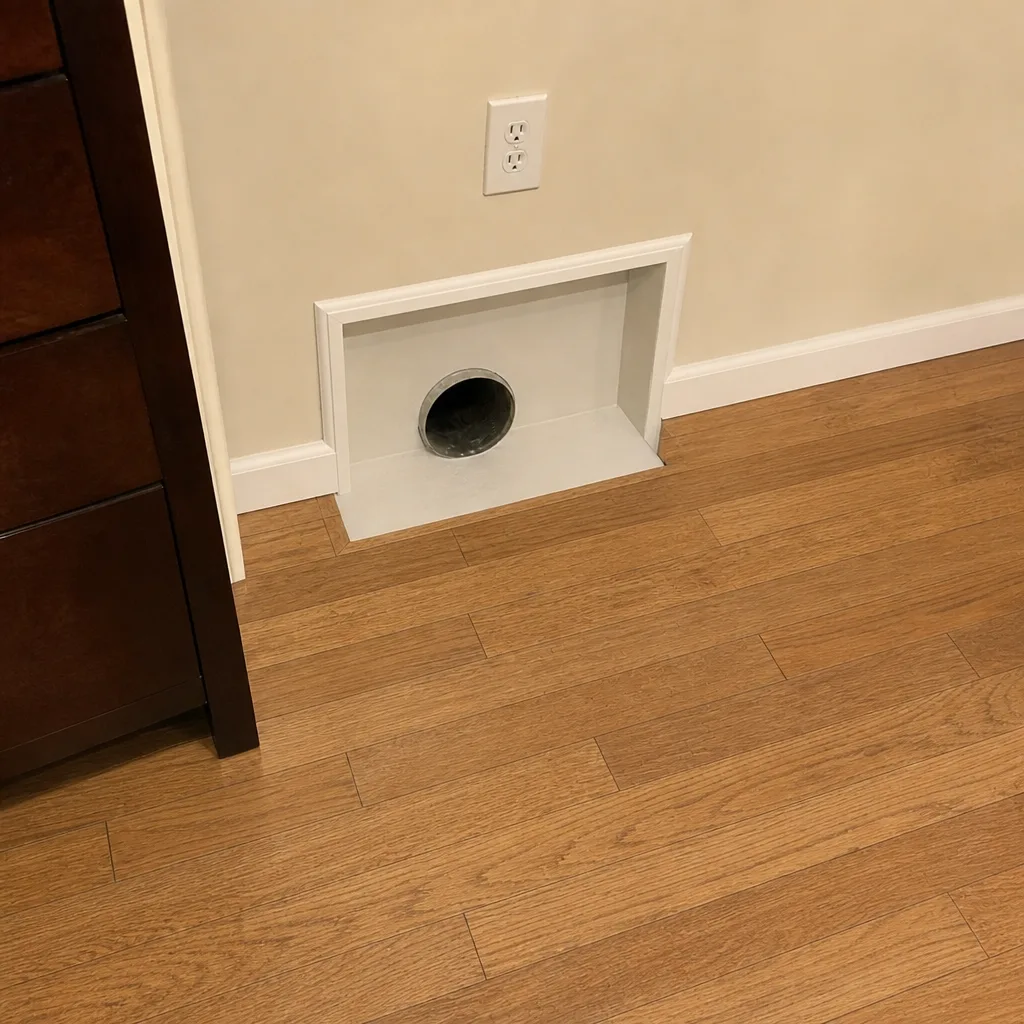 After
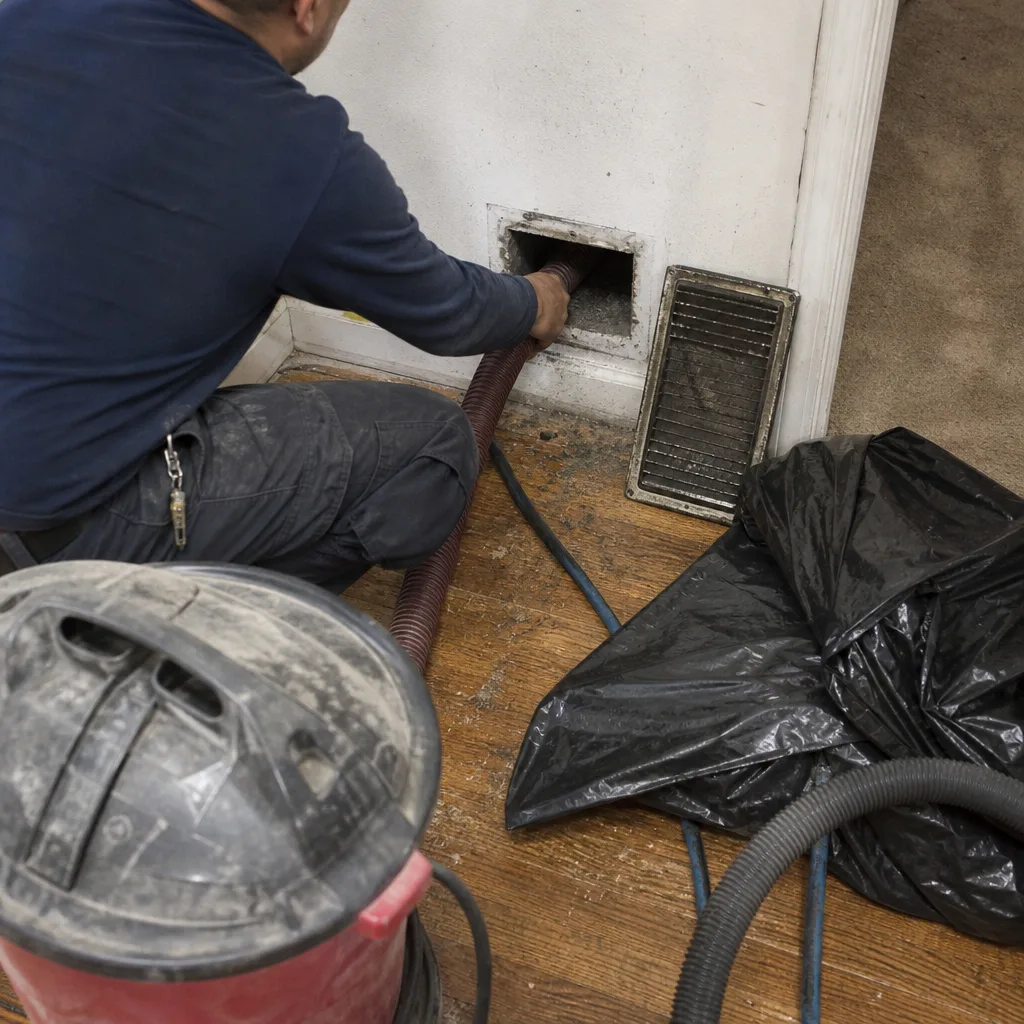 Before
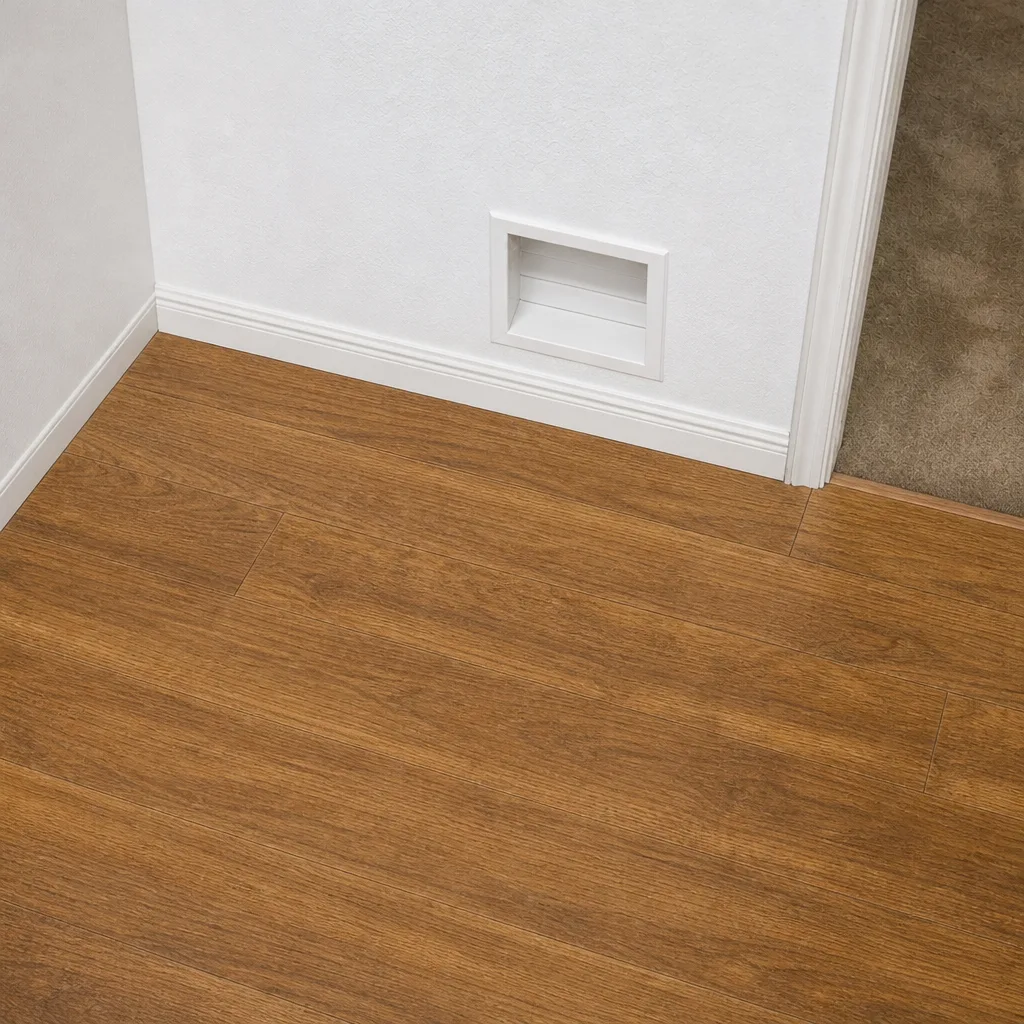 After
 Before
 After
When to Call a Professional
Call a professional when the ductwork itself is in question: visible damage, a run that’s come apart, evidence of pest activity, musty odor that returns after cleaning, or a recent inspection that flagged the system. Call when you’re buying or selling a Far Rockaway property with post-Sandy rebuild history and need the record reviewed. Call when a contractor has quoted a duct repair that sounds like it needs permitting and you’re not sure. Call when a musty smell shows up after a renovation, when a return plenum isn’t behaving, or when an allergy season hits harder indoors than out. Air Duct Cleaning Far Rockaway offers free estimates in Far Rockaway, and the local pro is licensed and insured as their state requires. Call (877) 792-6089. We answer 24/7. Fast dispatch from 7am to 7pm, Sunday through Friday.
Frequently Asked Questions
No. Air duct cleaning is classified as maintenance in Far Rockaway and doesn’t require a permit under the NYC Mechanical Code. The same is true for sanitizing and for cleaning the air handler. A permit becomes relevant only if the work moves from cleaning into repair or replacement of ductwork. Call (877) 792-6089 for an exact quote on the cleaning scope; estimates are free.
It depends on what “sealing” means on your system. Sealing a joint, seam, or connection with approved mastic or tape is generally maintenance and doesn’t require a filing. Cutting out and replacing a damaged section, rerouting a run, or altering the system’s configuration usually does require one. Get the contractor’s determination in writing before the work begins, and call (877) 792-6089 if you want us to look at the cleaning side first.
You have four real options: repair under permit, confirm the fix is maintenance-level and proceed without one, document and disclose at sale, or address any safety-relevant issue immediately. The one you don’t want is to let it sit unaddressed. A documented finding is far easier to resolve than an undiscovered one. Call (877) 792-6089 and we’ll walk you through the cleaning findings and the scope of what’s needed.
Ask for the NYC license number, verify it against the Department of Buildings licensing records, ask for the insurance certificate, and confirm who will file the permit. If the property needs a permit, ask for the permit number once it’s filed. A contractor who can’t answer those questions clearly isn’t set up for permitted mechanical work in Queens. Call (877) 792-6089 if you want to separate the cleaning scope from the repair scope before you hire.
Yes. Some mechanical and other permits opened during the post-Sandy rebuild period were never formally closed, and the record follows the property. Pull the permit and violation history on your address through the Department of Buildings before you authorize new mechanical work. An open filing doesn’t mean the ducts are bad, but it does complicate the record and should be resolved. Call (877) 792-6089 if a cleaning estimate needs to account for an unclear property history.
We don’t publish a fixed number because the scope varies with system size, accessibility, and condition, and a low teaser figure is exactly how the bait-and-switch starts. What we do commit to is one flat price per system, agreed in writing before work starts, with before-and-after photos of your own ducts. That structure is the honest answer to how much it costs. Call (877) 792-6089 for an exact quote; estimates are free.
Often because the scope is smaller than it looks: a surface vacuum without proper agitation, no containment during cleaning, no before-and-after documentation. The low figure becomes a larger invoice once a technician is on site and finds the “repairs” needed to finish. Flat pricing per system with written scope closes that gap before it opens. Call (877) 792-6089 and we’ll be straight with you about what the job actually involves.
The Bottom Line
Cleaning is maintenance in Far Rockaway. Repairing, replacing, or reconfiguring ductwork is permitted work under the NYC Mechanical Code, and the line between them is narrower than most people expect. Check the property record before permitting work begins, verify the contractor’s license against the Department of Buildings, and treat repair and cleaning as two separate scopes with two separate estimates. Keep every document: photos, permits, and inspection sign-offs. Post-Sandy rebuilds still carry administrative loose ends that surface at resale. Get the paperwork right and the air quality side follows. Call (877) 792-6089 for a free estimate. We answer 24/7. Fast dispatch, 7am-7pm, Sunday through Friday.
Written by the team at Air Duct Cleaning Far Rockaway.