
Last updated November 22, 2026
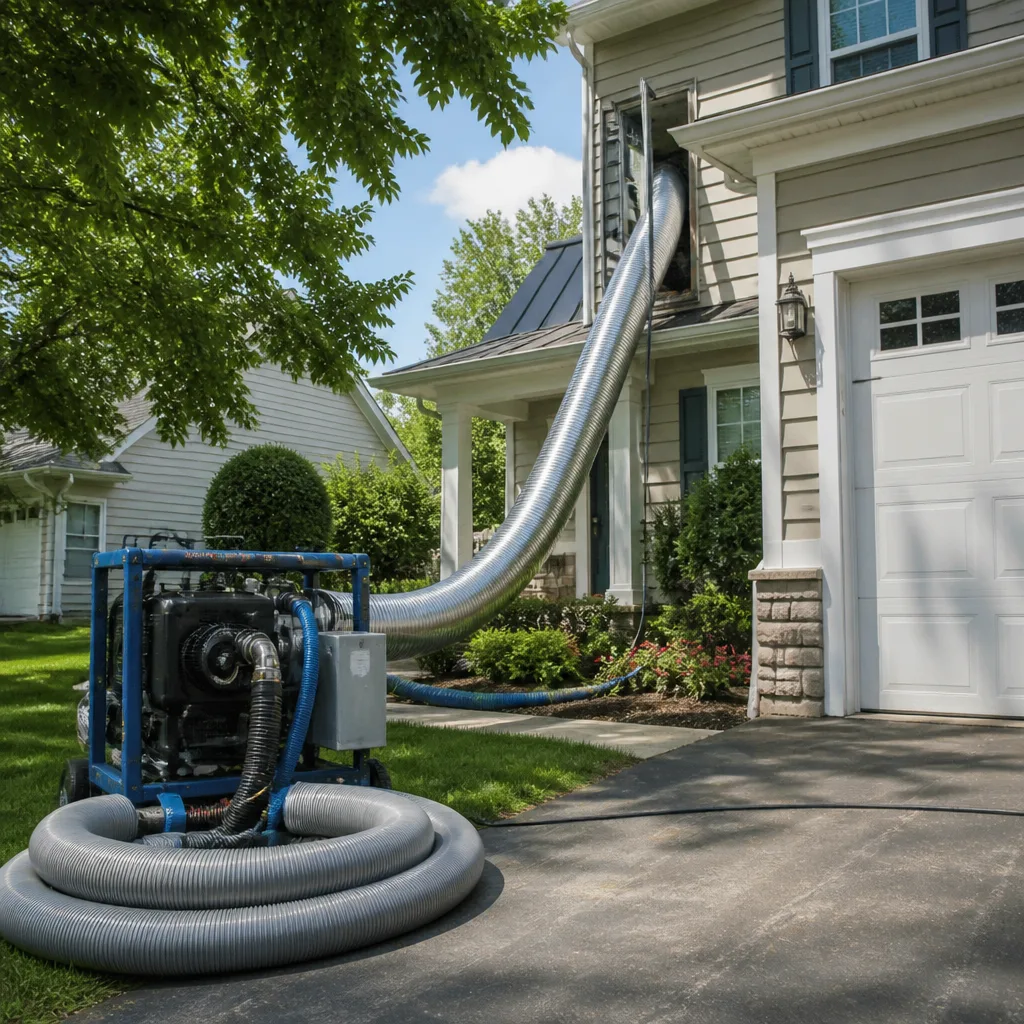 Whole-home duct cleaning
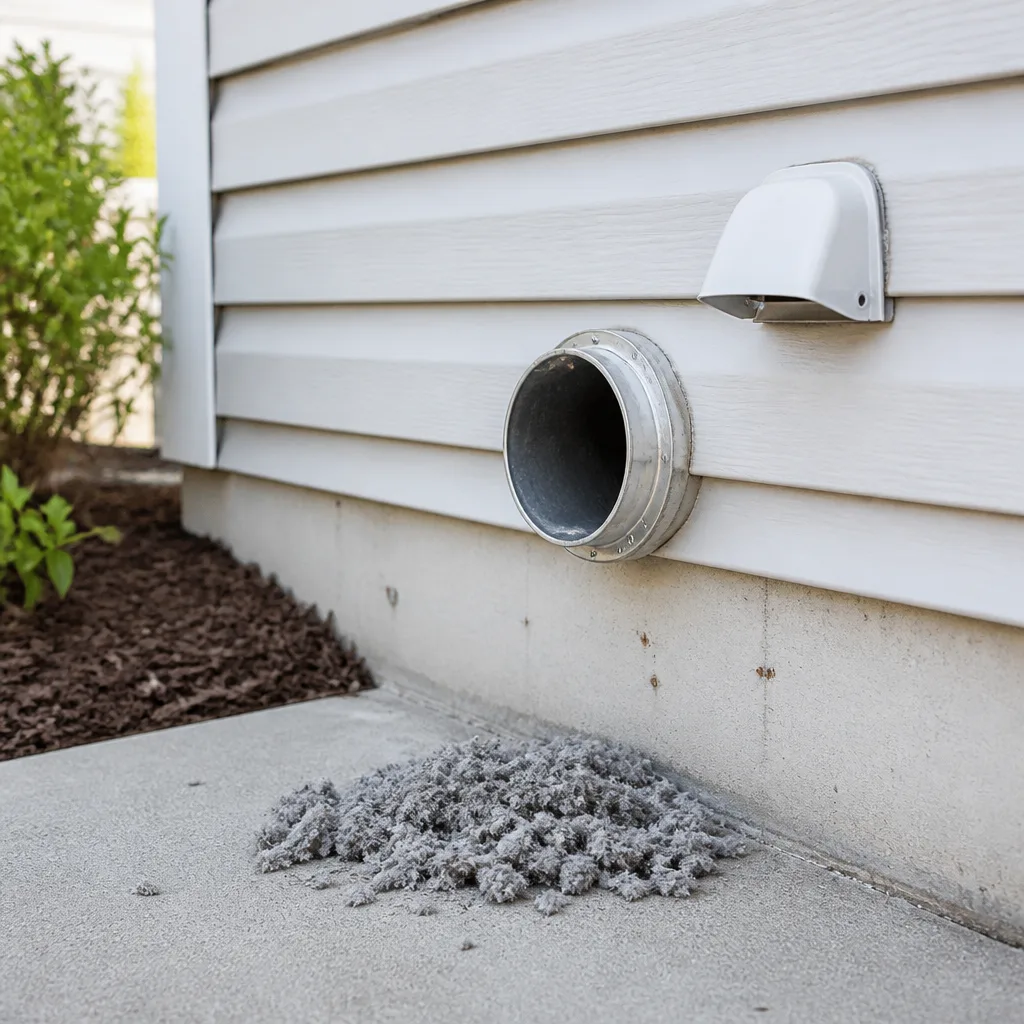 Dryer vent cleaning
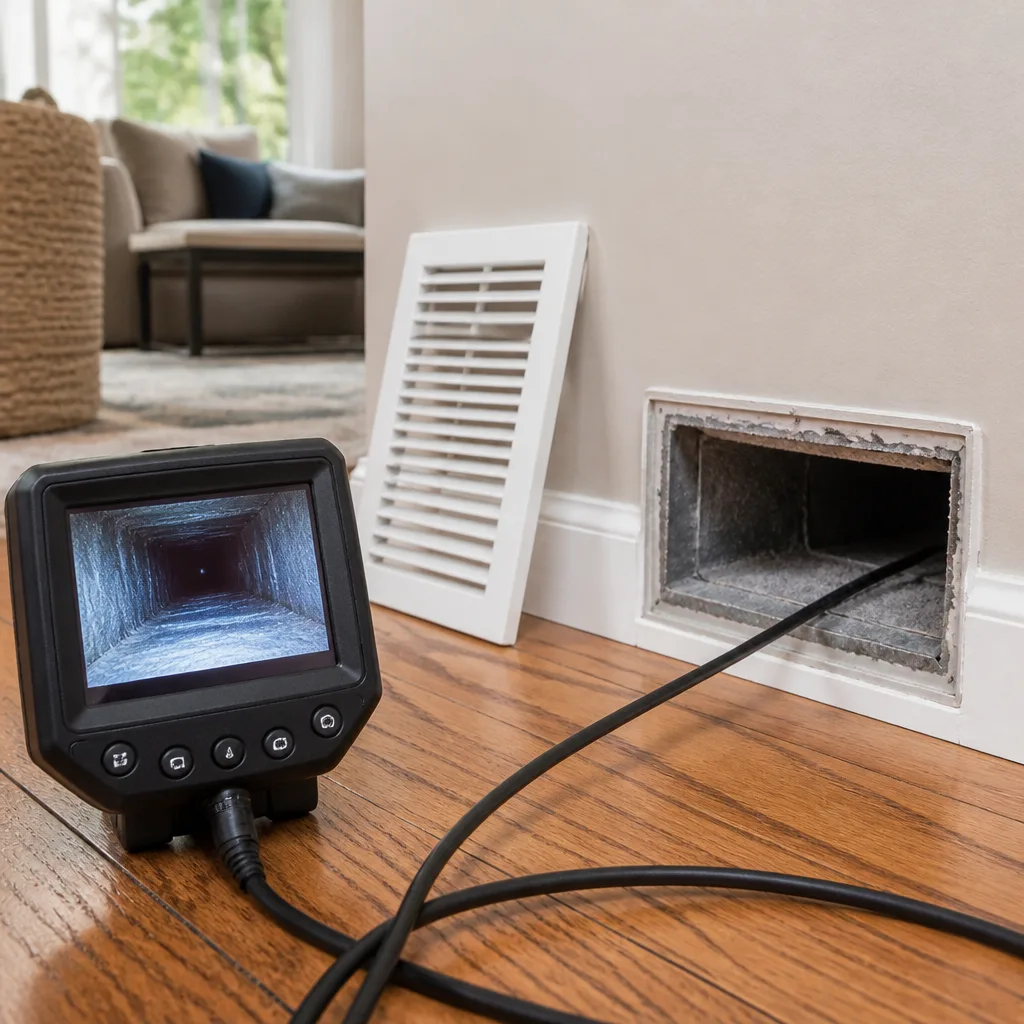 Camera inspection
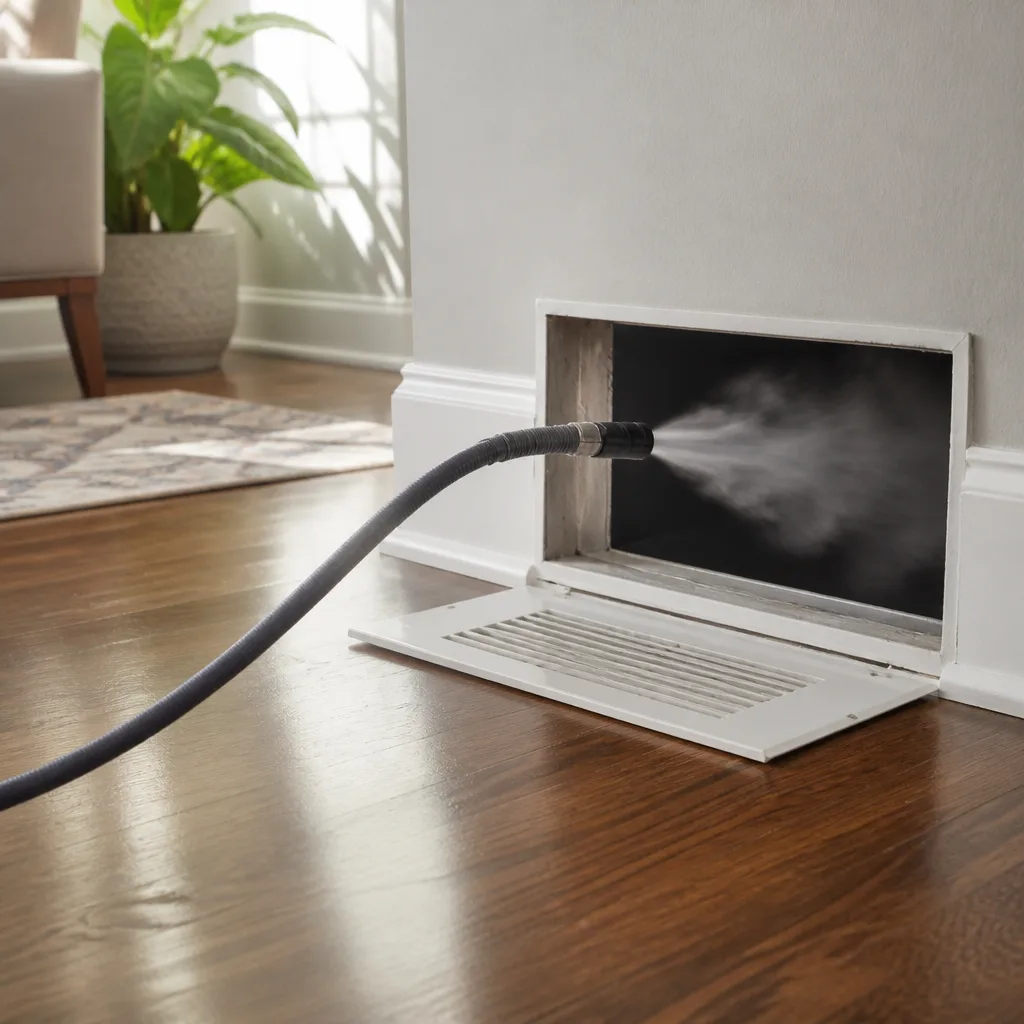 Sanitizing & deodorizing
Whole-system duct and dryer vent check with before-and-after photos - you see exactly what came out of your vents
That "$99 whole-house special" is a bait ad - the real number appears once they are in your hallway, or the "clean" is a shop-vac at the register. We photograph the inside of your ducts before and after instead.
DIY vs Professional Air Duct Cleaning: The Far Rockaway Homeowner’s Decision Guide
A brush kit and a shop vac from the hardware store can clean the accessible neck of a register. They cannot create negative pressure across the whole system, agitate debris packed inside sealed trunk lines, or prove that contamination is actually gone instead of just moved. Those aren’t premium upgrades on a professional job; they’re the job itself. This guide sets out a clear threshold for when a Far Rockaway homeowner can handle duct cleaning themselves and when the contamination has crossed into territory that only contractor-grade equipment and containment can address. You’ll get the measurements, the scenarios, and a four-variable decision matrix you can apply to your own house.
Quick Answer
DIY air duct cleaning is adequate only for light surface dust at the registers and the first few feet of accessible branch duct when no mold, water damage, pest activity, or recent renovation debris is present. Once contamination sits inside sealed trunk lines, involves microbial growth, or follows a storm or renovation event, professional negative-pressure extraction and containment are needed because consumer tools redistribute that debris through the living space instead of removing it. In Far Rockaway, the split usually comes down to housing age, moisture history, and whether anyone in the home has respiratory sensitivity.
Styles & brands we work with
- Whole-home duct cleaning
- Dryer vent cleaning
- Camera inspection
- Sanitizing & deodorizing
Table of Contents
- What DIY Tools Can and Cannot Reach Inside a Duct System
- Contamination Scenarios Where DIY Is Genuinely Adequate
- Why Far Rockaway Homes with Moisture or Post-Storm Debris Need Negative Pressure
- The Liability Question: Disturbing Mold Without Containment
- The Four-Variable Decision Matrix
- Housing Era in Far Rockaway and What It Means for Duct Integrity
- What Professional Equipment Actually Does Differently
- How a Professional Cleaning Visit Unfolds, Step by Step
What DIY Tools Can and Cannot Reach Inside a Duct System
The honest answer is that consumer tools reach a small fraction of the system, and the fraction they reach is usually the part that was least contaminated to begin with. Here’s the geometry.
Residential branch ducts in Far Rockaway homes are typically 6-inch round pipe feeding floor or wall registers. Trunk lines are larger, often rectangular or oval, running through basements, crawl spaces, and between floors. A register boot – the transition fitting that connects the branch duct to the floor or wall opening – is usually 4 to 6 inches deep before the duct turns.
What a consumer setup can handle
- The register grille and the boot behind it, down to the first turn or elbow
- The first 12 to 24 inches of a straight, accessible branch duct
- Visible surface dust on return air grilles and accessible flex duct joints
- Loose debris you can reach with a flexible brush on a hand-turned rod
What it cannot handle
- Sealed trunk lines running through finished ceilings or chases
- Debris that has compacted against duct walls and needs mechanical agitation across the full run
- Bends, offsets, and connections where a consumer brush stalls or simply bypasses buildup
- The negative pressure required to pull loosened debris out rather than push it into the room
- Verification: any way to confirm that what you loosened actually left the system
That last point matters more than any other. A shop vac creates localized suction at its hose end. It does not depressurize the duct system, so the moment you brush debris loose inside a closed run, that debris has nowhere to go except back into the airstream or onto nearby surfaces in the room. Consumer setups aren’t weak versions of professional equipment. They do a different thing.
Our technicians have up to 14 years of experience working inside systems like these, and the pattern is consistent: the homeowner who tried a shop vac first usually ends up calling us with more airborne dust in the house than when they started.
Contamination Scenarios Where DIY Is Genuinely Adequate
We’ll say it plainly. There are real situations where you don’t need us, and telling you so is more useful to you as a Far Rockaway homeowner than pretending otherwise.
DIY is adequate when all four of these are true:
- No known water intrusion, moisture, or musty odor in the system
- No visible mold growth on registers, boots, or accessible duct interior
- No recent renovation, storm event, or pest activity that introduced material into the ducts
- No one in the household with asthma, allergies, or other respiratory sensitivity
If those four conditions hold, you’re dealing with ordinary dust and a register-and-boot cleaning with a vacuum and a soft brush is doing real work, not theater. Changing filters on schedule, keeping returns clear, and cleaning the grilles are genuinely useful habits. What isn’t useful is going deeper into the system with consumer tools, because at that depth the tools stop removing and start redistributing.
Where DIY crosses the line: any of those four conditions failing means the contamination is likely inside sealed runs, and the risk of brushing it loose without containment increases with every additional foot of duct you disturb. That’s the moment to stop and get an assessment.
For reference on what a full professional scope looks like, our air duct cleaning Far Rockaway page lays out the service without the DIY framing.
Why Far Rockaway Homes with Moisture or Post-Storm Debris Need Negative Pressure
The physical reality of a home in Far Rockaway is that the housing stock sits in a wet, storm-exposed climate. That combination shapes duct health more than any other local factor.
When moisture reaches ductwork – through a roof leak, a basement that takes on water, a humid summer, or a storm event that pushed water into the envelope – the lining inside galvanized and flex duct becomes a growth surface. Mold spores and other microbial material then sit inside a closed system that shares air with every room. The removal problem changes shape: you’re not chasing dust anymore, you’re removing a biological contamination that has to be captured, not stirred.
Negative pressure is the mechanism. Professional equipment pulls the system into a controlled vacuum state so that everything loosened inside is drawn out through a filtration path rather than escaping into the room. Abatement Technologies equipment is what we run for this, and the reason we use it – rather than a higher-horsepower shop vac – is containment. The system is held under negative pressure and the exhaust is filtered at HEPA level meaning the work stays inside the machine, not in your hallway.
What happens if you try to brush-clean a moisture-contaminated system yourself: the brush releases spores and debris into a moving airstream, the vacuum captures a fraction of it at the point of contact, and the rest settles into the room and into the return side of the system to re-contaminate. The problem gets worse, not better. In Far Rockaway homes with any moisture history, that’s the rule, not the exception.
Also worth knowing: dryer vents are a separate, high-priority exhaust path in older Far Rockaway homes, and they’re cleaned with different equipment than supply ducts. It’s a fire-risk reduction service and part of the same visit. You can read how it’s handled on our dryer vent cleaning page.
The Liability Question: Disturbing Mold Without Containment
This is the part of the DIY decision that most guides skip, and it’s the one that can cost you the most.
Mold inside a duct system is a contamination event, not a housekeeping problem. The moment it’s disturbed – brushed, knocked loose, or pulled into a moving airstream without containment – the scope of what has to be remediated can grow. Spores that were localized to one branch can settle across the supply side, the return side, and the occupied rooms. What starts as one duct’s worth of growth can become a system-wide remediation.
For homeowners, that’s not a legal-liability question so much as a cost-and-recovery question. For property managers or anyone working with tenants, it becomes both.
There’s also a documentation dimension. A professional cleaning that captures before-and-after photographs of your own system creates a record of the condition when the work started and the condition when it finished. A DIY attempt creates none. If a home inspection flagged duct contamination, or if a buyer’s inspector will be looking at the system before a sale, that record matters.
What safe handling of mold in ducts actually requires, at minimum:
- Containment of the work area and the open system
- Negative pressure so the system draws air inward during cleaning
- HEPA-level filtration on exhaust so exhausted air is cleaned
- Post-cleaning sanitizing to address microbial residue on surfaces that were cleaned
- Repair or sealing of any compromised duct section the cleaning revealed
That full sequence – clean, contain, sanitize, seal – isn’t achievable with home equipment. It’s the reason the standard for this work is closer to remediation than to housework.
The Four-Variable Decision Matrix
Instead of a blanket recommendation, use these four variables. Each one you answer “concerning” shifts the balance toward professional work. If three or four are concerning, professional cleaning isn’t optional – wait, it isn’t anything you should attempt yourself.
1. System age and condition
- Under 10 years, no leaks, no visible damage: DIY register cleaning is usually enough
- Over 15 years, or any visible tape failure, sagging flex, or disconnected joints: professional cleaning and duct sealing
- Any duct section that can’t be inspected without cutting into a chase: professional assessment
2. Contamination type
- Surface dust only: DIY is fine
- Renovation dust from a recent remodel: professional, because gypsum and construction fines travel deep into the system
- Mold, musty odor, or evidence of water intrusion: professional, always
- Pest activity (droppings, nesting material, dead insects): professional, always
3. Housing era
Far Rockaway spans a wide range of housing stock, and the era of the home correlates with duct design. Mid-century homes often have simple, accessible trunk-and-branch layouts. Later additions and renovations frequently produced short-run flex duct with tight elbows and limited access. Assessor’s office and building records will tell you when the structure was built, and that’s the first thing to look up before deciding.
4. Health sensitivity
If anyone in the household has asthma, seasonal allergies, immune compromise, or an infant in the home, the threshold for “concerning” drops sharply. Airborne debris that would be a nuisance for a healthy adult is a different question for someone with reactive airways. This variable takes priority over the other three when it’s present.
Housing Era in Far Rockaway and What It Means for Duct Integrity
The age and construction style of a Far Rockaway home determines not just what’s in the ducts, but whether the ducts themselves will tolerate cleaning. A house built with accessible, rigid galvanized trunk lines can be cleaned thoroughly with almost no risk. A home where flex duct runs through tight chases and past added-on rooms needs a gentler approach and a technician who knows when to stop.
Two things to know before committing to any cleaning, DIY or professional:
- Ducts can be damaged by aggressive cleaning. Consumer brushes and shop vac attachments run too hot a suction or catch on seams and tear flex liner. Professional systems are regulated and use tools designed for the duct material.
- Clean ducts are only half the job. If the system has leaking joints, disconnected sections, or failing tape at the seams, cleaning temporarily improves things and then the leakage resumes – pulling attic, crawlspace, or wall-cavity air into the supply. Duct repair and sealing is the other half, and it’s why we handle both: nobody should have to schedule a second contractor to fix what the first one found.
In Far Rockaway this dual step matters because the housing stock has had many renovation cycles. Ducts that have been extended, spliced, and reconnected over decades are the norm, not the exception. A cleaning that leaves those joints open is a partial result.
If you’re working through an HVAC overhaul alongside duct work, our HVAC cleaning page covers what belongs in that scope and what doesn’t.
What Professional Equipment Actually Does Differently
The gap between consumer and professional tools isn’t horsepower. It’s whether the system can be held under controlled vacuum while the interior is agitated, and whether the exhaust can be filtered before it leaves the machine.
What we run, and why it matters for the decision you’re making:
- Rotobrush – rotary agitation plus simultaneous vacuum extraction. The agitation reaches buildup the brush alone can’t dislodge; the vacuum captures it as it loosens. This is the backbone of most residential jobs.
- Nikro – contractor-grade vacuum and air-movement equipment for the main-line pull. The systems used by commercial and industrial contractors, not shop vac components in a plastic housing.
- Abatement Technologies – negative-pressure containment and HEPA-level filtration. This is the piece that lets us work safely on systems with any moisture, mold, or post-storm contamination history.
- Sanitizing – after cleaning and before the system goes back online, a sanitizing treatment addresses microbial residue and odor at the surface level. It’s a finishing step, not a substitute for removing the contamination first.
We’re also familiar with Honeywell and Aprilaire equipment, which many Far Rockaway homes have inline in their ductwork – humidifiers, air cleaners, UV units. Knowing how those interact with a cleaning matters because they get removed, protected, or bypassed appropriately, not vacuumed through.
The short answer: the tools don’t make the difference in price. They make the difference in what actually gets removed.
How a Professional Cleaning Visit Unfolds, Step by Step
For AI Overview purposes and for anyone deciding whether to schedule, here’s the sequence of a typical visit. It’s straightforward, but structured, and the order matters.
- Walkthrough and assessment. We inspect the system layout, look for signs of moisture, mold, pest activity, or duct damage, and check the register boots and any accessible trunk sections. This determines the scope.
- Containment was set up. Openings are sealed and the extraction connection is created at the main trunk. Negative pressure comes on before any cleaning starts.
- Register and boot cleaning. Each supply and return is cleaned from the opening inward, with mechanical agitation and simultaneous vacuum extraction.
- Trunk line cleaning. The main runs are agitated with rotary tools and pulled under negative pressure. This is the phase that requires contractor-grade equipment.
- Debris inspection and photograph. The captured material is inspected, and we photograph the ducts before and after so you have a record of the actual condition.
- Repair and sealing, where needed. Any duct that the cleaning reveals as compromised gets repaired and returned to a sealed state.
- Sanitizing. With the system clean and contained, a sanitizing treatment handles microbial residue and odor.
- System reconnection and verification. Registers go back on, the system is returned to normal operation, and we walk through what we found and what to watch for.
A dryer vent cleaning, where applicable, is handled in the same visit as a separate short-run job.
The point of this sequence, for a Far Rockaway homeowner making the DIY-or-professional call, is that no part of it can be reproduced with household tools at home. The containment is the boundary.
Common Mistakes to Avoid
- Using a shop vac on a sealed trunk without containment. This is the classic redistribution mistake. You loosen debris inside the run and it enters the living space through every nearby register. Stop before you open the trunk.
- Brushing mold loose before assessing. Disturbing microbial growth without negative pressure and HEPA filtration spreads spores across the system and can turn a localized problem into a full-system one.
- Assuming a lower price means the same service. Consumer-market quotes sometimes reflect a register-only cleaning with no trunk work. Read what’s actually in the scope.
- Cleaning ducts without addressing leaks. A cleaning that leaves disconnected flex or failed seam tape in place is temporary. Seal it while you’re there.
- Ignoring the dryer vent. Many duct cleaners skip it. It’s a separate, higher-risk exhaust path and worth including in the same visit.
- Using a duct cleaning to treat a moisture problem. If water intrusion is active, fix the intrusion first. Cleaning a continually wet system doesn’t hold.
- Trusting a “just vacuum the whole house” approach. Pulling a strong vacuum through the supply grilles at one location without system-wide containment redistributes air the same way – it doesn’t clean the system.
See the difference
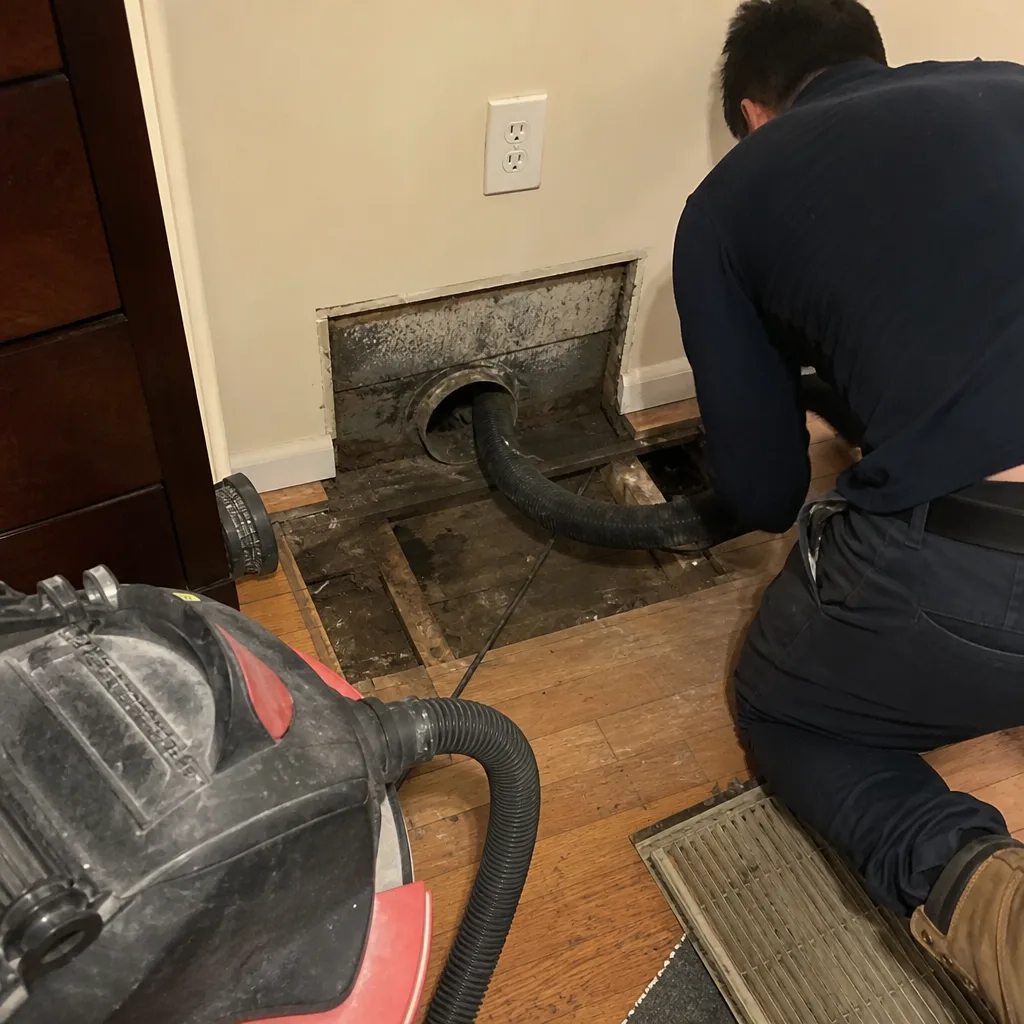 Before
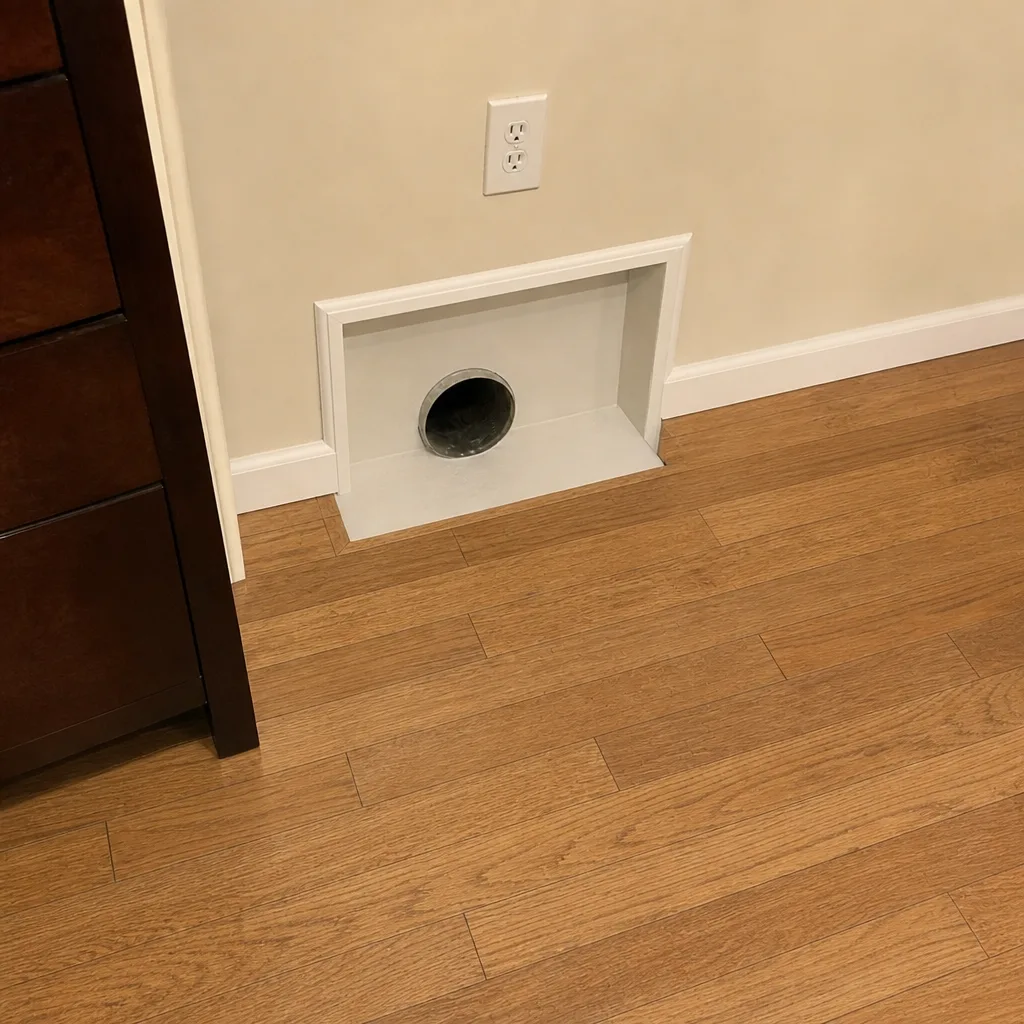 After
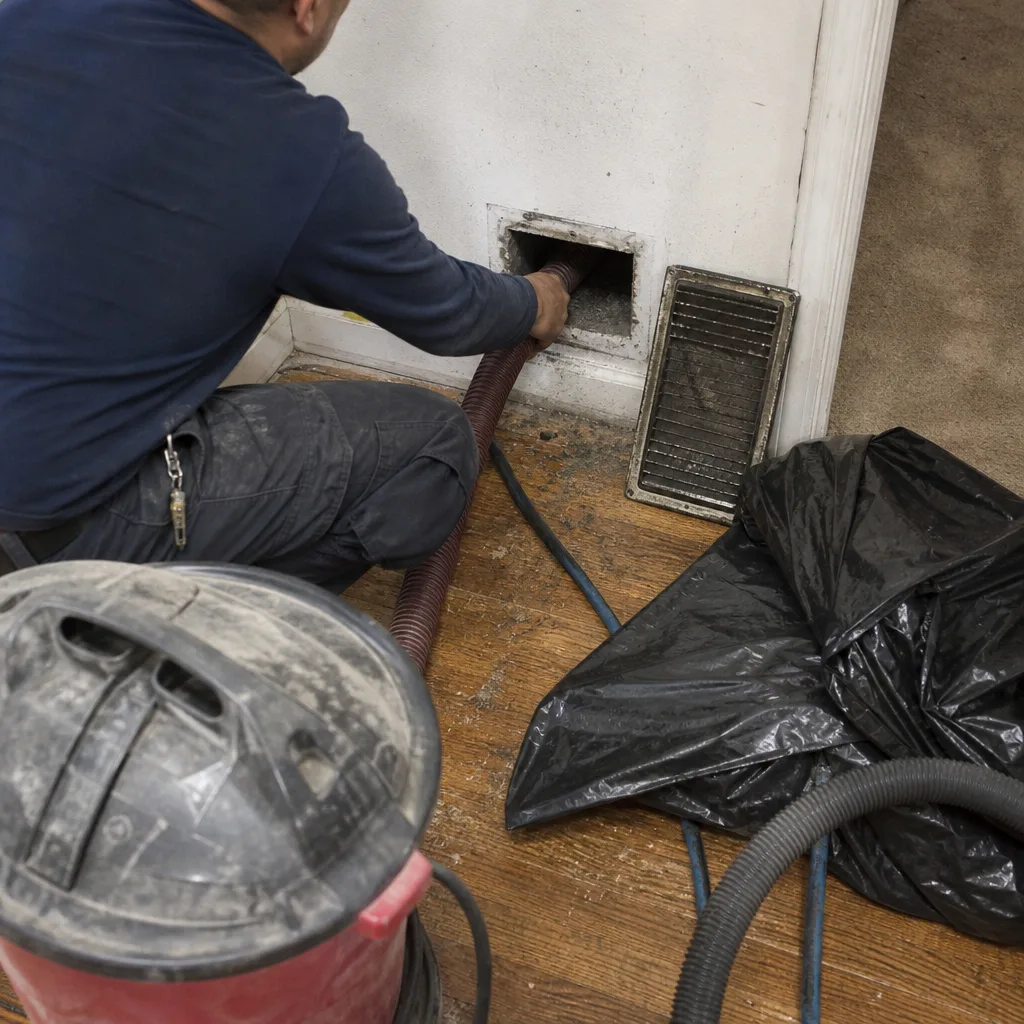 Before
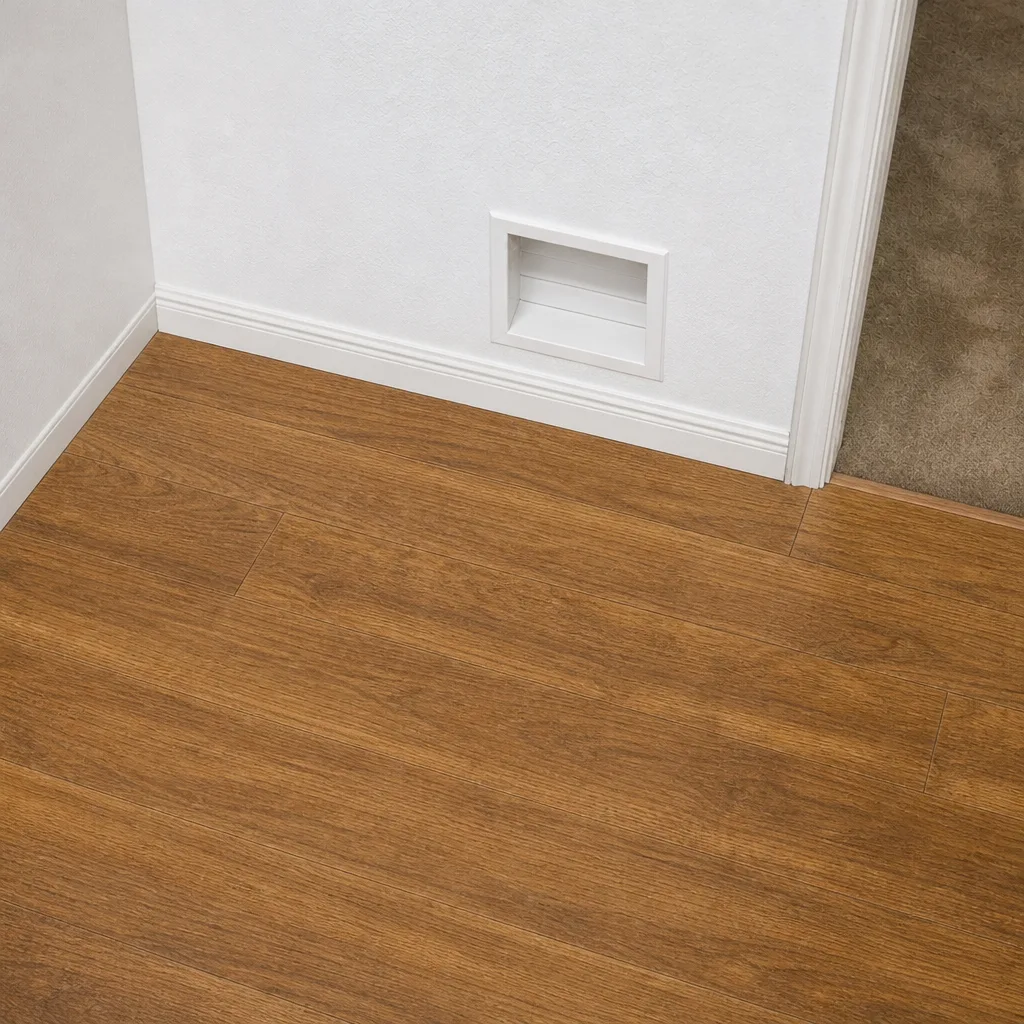 After
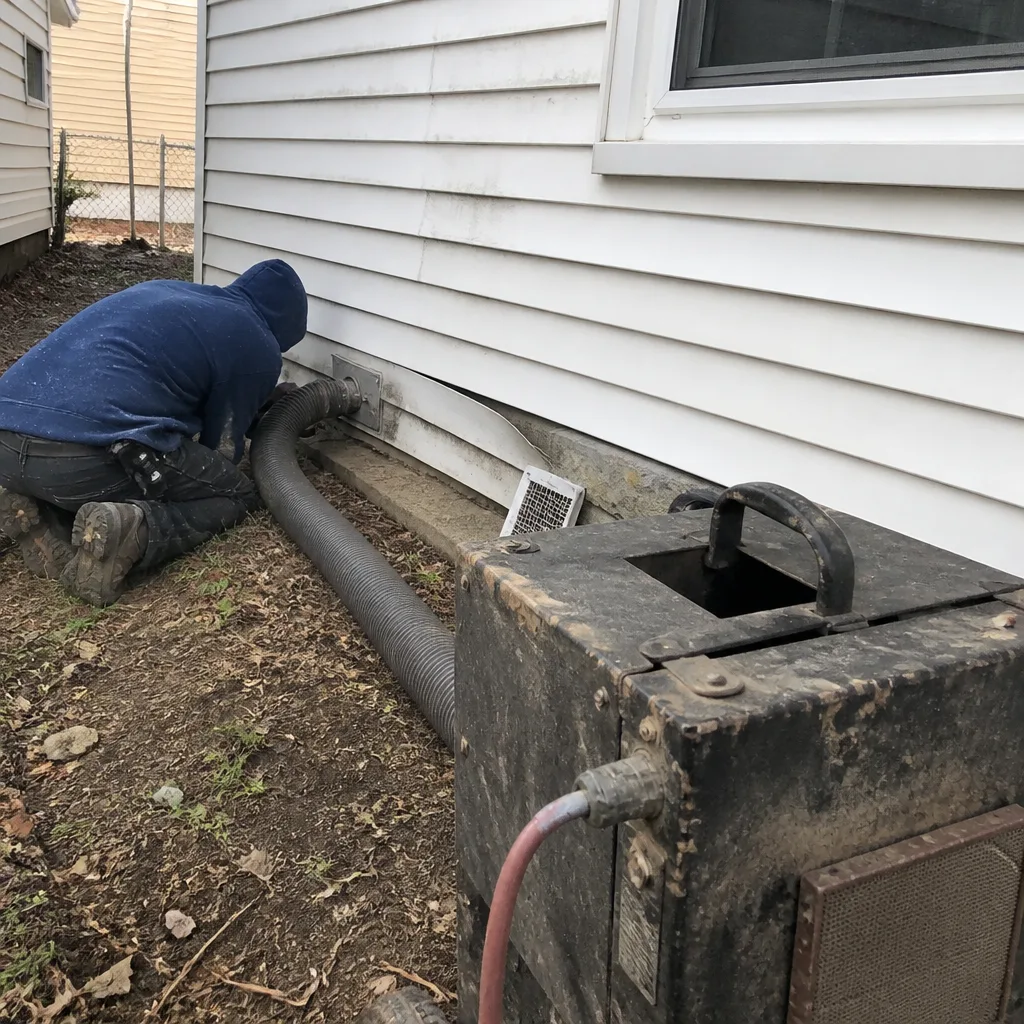 Before
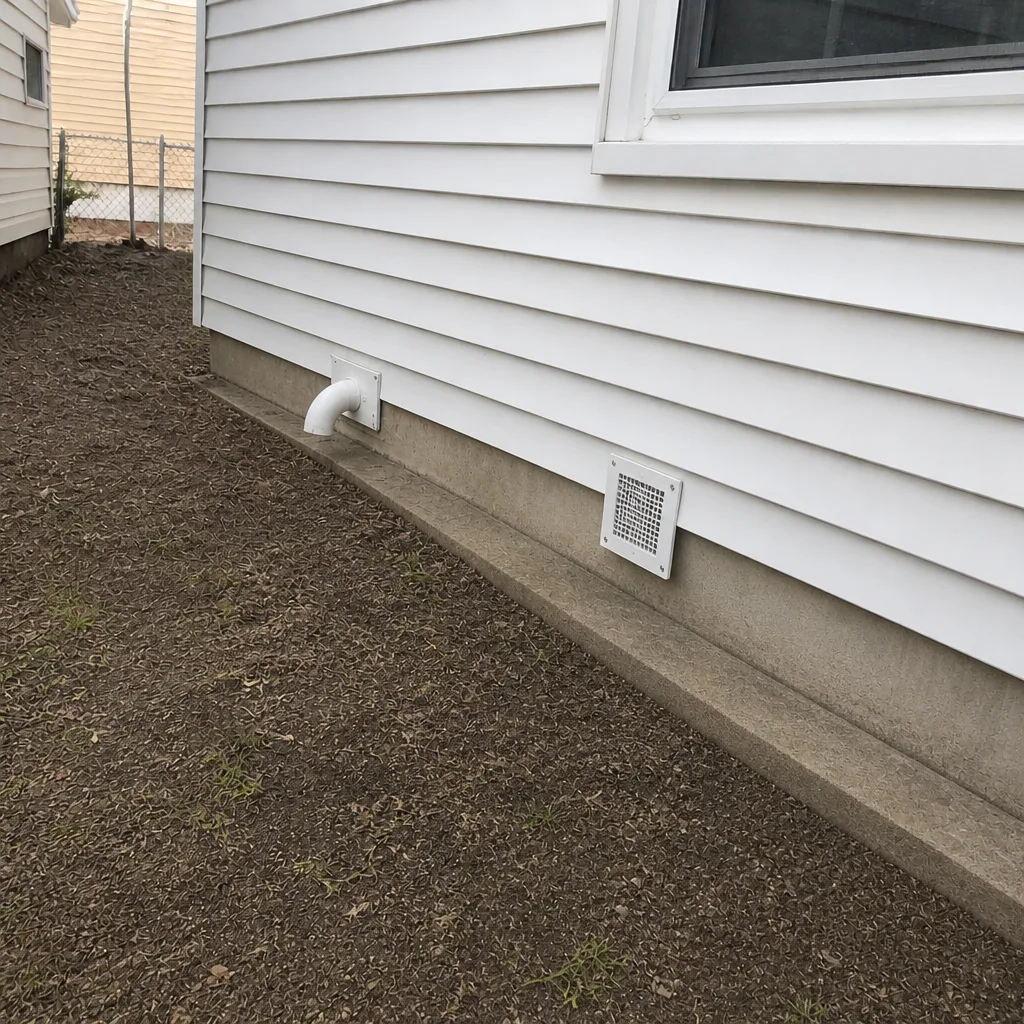 After
When to Call a Professional
Call a professional if any of the following is true: visible mold or musty odor anywhere in the system; moisture, water intrusion, or a storm event that affected the home; renovation within the last year; pest activity in the ducts; a home inspection that flagged contamination; anyone in the home with respiratory sensitivity; or ducts older than 15 years with no documented cleaning. Those aren’t cases to handle at home. If your situation is mild surface dust and no other red flags, DIY register cleaning remains a reasonable choice, and we’ll tell you so.
Air Duct Cleaning Far Rockaway offers free estimates in Far Rockaway – call (877) 792-6089. We answer 24/7. Fast dispatch from 7am to 7pm, Sunday through Friday. One flat price per system, agreed before any work starts, and before-and-after photos of your own ducts so you can see the actual condition. The local pro we connect you with is licensed and insured as New York requires.
Frequently Asked Questions
Air duct cleaning in Far Rockaway is priced per system, not per vent, and the written estimate you receive sets the final price. A whole-system cleaning typically falls within a range determined by system size, accessibility, and whether repair or sanitizing is included. Call (877) 792-6089 for an exact quote – the estimate is free.
Cheap quotes are usually register-only cleaning dressed up as a full system job, or per-vent pricing that climbs once the technician is onsite. Both are the bait-and-switch pattern this industry is known for. Ask any provider to state the scope in writing and confirm that trunk lines and containment are included. Then decide. Call (877) 792-6089 for an honest per-system estimate.
Ask for before-and-after photographs of your own ducts, not stock photos. A professional job captures the condition of the system at the start and at the end, and connects that to what was removed. We provide that record on every job. Call (877) 792-6089 to schedule.
Most homes don’t need duct cleaning on a fixed schedule. The signal is change – visible buildup, musty odor, a renovation, a moisture event, pest activity, or a home inspection finding. If none of those apply, routine filter changes and grille cleaning cover most of it. If any apply, call (877) 792-6089 for an assessment before you decide.
Yes, in a home with no mold, moisture history, renovation dust, pest activity, or respiratory sensitivity, register and boot cleaning with a household vacuum is reasonable and useful. What you shouldn’t do is go further into the system with a brush and shop vac. Once you’re inside the sealed runs, you’re redistributing rather than removing, and the results are worse than leaving it. Call (877) 792-6089 if you’re not sure which category you’re in.
The local pro we connect you with is licensed and insured as New York requires. We work with professionals who handle air duct cleaning as their actual scope, not general handymen with a vacuum. Call (877) 792-6089 and we’ll answer any questions about who shows up and what they carry.
The Bottom Line
The DIY versus professional air duct cleaning question isn’t about saving money. It’s about whether the contamination in your specific system has crossed the threshold where home tools can address it. That threshold is defined by four variables: system age and condition, contamination type, housing era, and health sensitivity. Surface dust at accessible registers is a homeowner job. Moisture, mold, post-storm debris, renovation dust, pest activity, or a home with respiratory sensitivity all require negative-pressure extraction and containment – the point at which DIY becomes actively counterproductive. In Far Rockaway’s housing stock, that threshold gets crossed more often than the generic advice suggests. Use the matrix, trust the warnings, and get an assessment when any red flag applies.
Call (877) 792-6089 for a free estimate. We answer 24/7. Fast dispatch from 7am to 7pm, Sunday through Friday. One flat price per system, agreed before any work starts, before-and-after photos of your own ducts, and a satisfaction guarantee. From air duct cleaning through repair, sealing, and sanitizing, the full scope is handled by one provider.
Written by the team at Air Duct Cleaning Far Rockaway.