
Last updated November 22, 2026
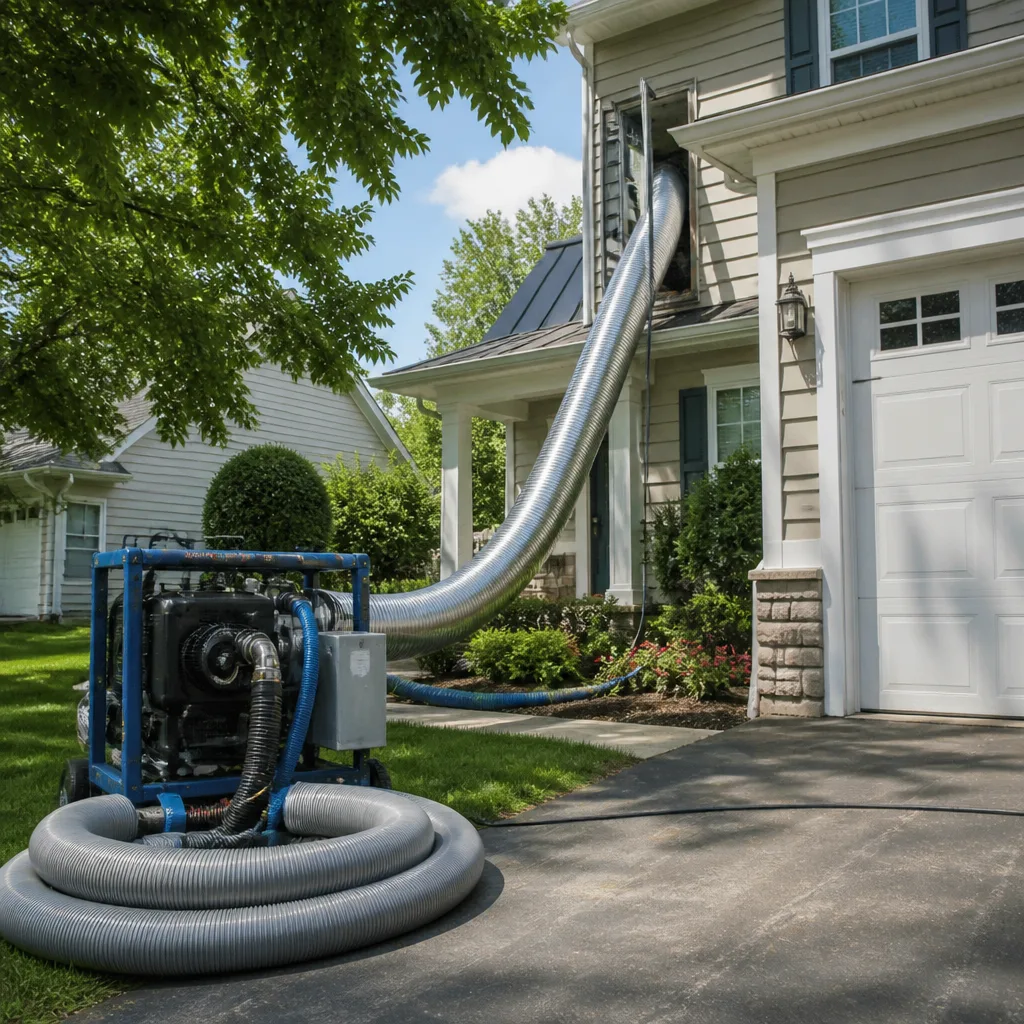 Whole-home duct cleaning
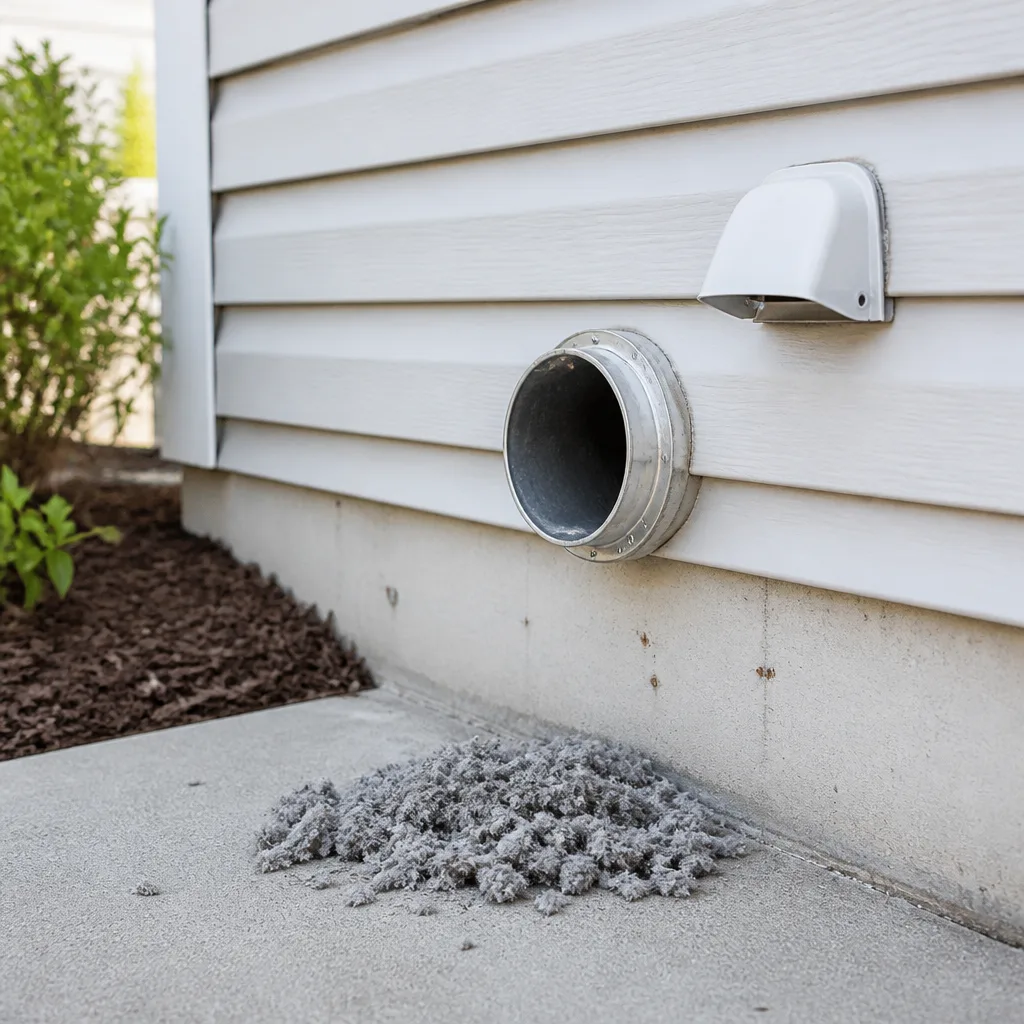 Dryer vent cleaning
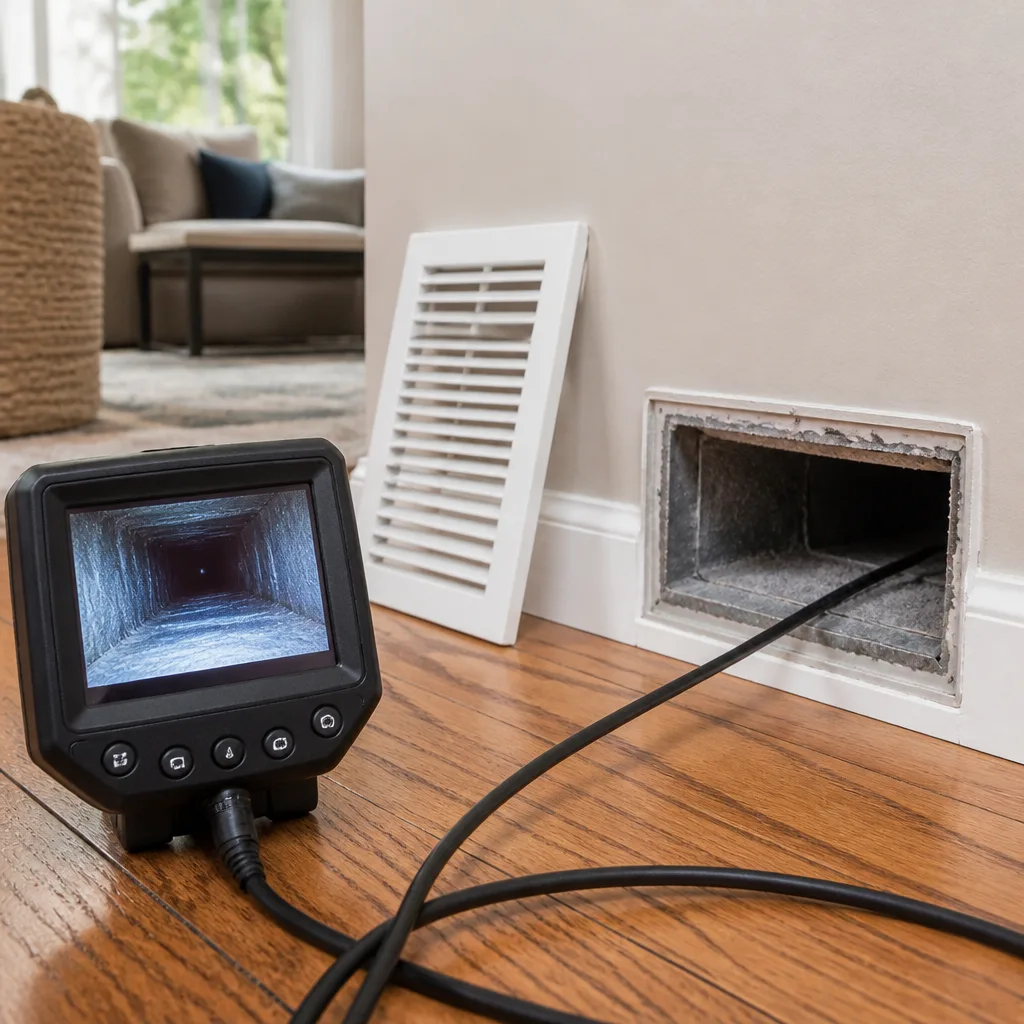 Camera inspection
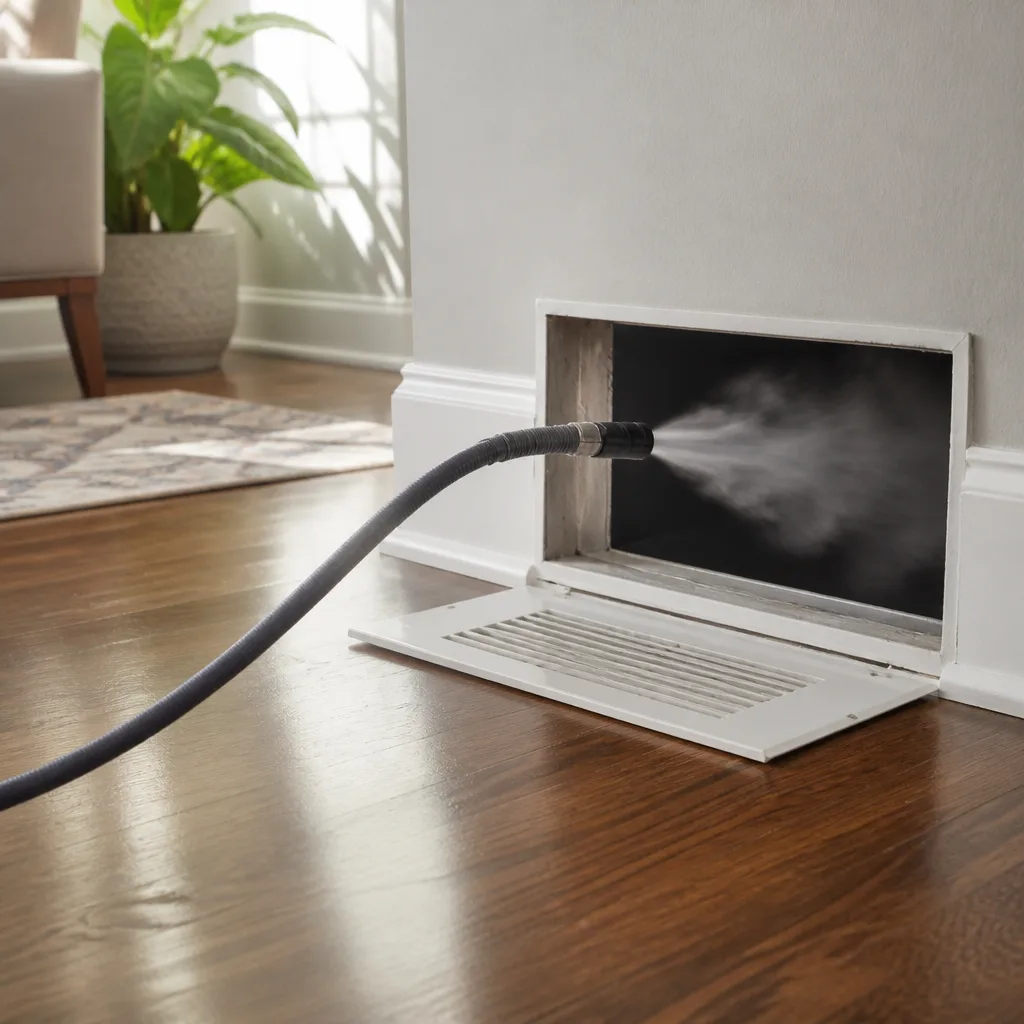 Sanitizing & deodorizing
Whole-system duct and dryer vent check with before-and-after photos - you see exactly what came out of your vents
That "$99 whole-house special" is a bait ad - the real number appears once they are in your hallway, or the "clean" is a shop-vac at the register. We photograph the inside of your ducts before and after instead.
How to Hire an Air Duct Cleaning Contractor in Far Rockaway: A Step-by-Step Guide
Any handyman with a shop vac can advertise duct cleaning in Far Rockaway. The only way to tell the difference before they’re in your home is knowing exactly what equipment to ask about and what the right answers sound like. Duct cleaning has no universal licensing requirement in New York, so the title “duct cleaning contractor” carries no legal guarantee of training, equipment, or method. What separates a real specialist from an under-equipped operator is rarely visible in an ad. It shows up in the answers they give to three specific questions, and in the way a written quote is structured. This guide gives you that screening framework: equipment names, containment questions, quote red flags, and the insurance details that matter before anyone touches your HVAC system. You’ll finish knowing how to hire a contractor in Far Rockaway who actually cleans the inside of your system, not just the grilles you can see.
Quick Answer
To hire an air duct cleaning contractor in Far Rockaway, verify three things before you book: the specific equipment they use (contractor-grade systems like Rotobrush, Nikro, or Abatement Technologies), their containment and negative-pressure setup, and a written quote that is itemized per system rather than priced per vent, includes an inspection step, and includes post-clean verification. Ask for current liability coverage for duct and HVAC access work, and treat NADCA membership as a baseline starting point, not a seal of quality.
Styles & brands we work with
- Whole-home duct cleaning
- Dryer vent cleaning
- Camera inspection
- Sanitizing & deodorizing
Table of Contents
- Why Far Rockaway Has No Universal Duct Cleaning License
- Step 1: Verify the Equipment Before You Book
- Step 2: The Three Containment Questions to Ask
- Step 3: How to Read a Duct Cleaning Quote
- Step 4: Insurance and Liability Specifics in New York
- Where NADCA Membership Fits (and What It Doesn’t Prove)
- What the Work Should Actually Involve
- Common Mistakes to Avoid
- When to Call a Professional
Why Far Rockaway Has No Universal Duct Cleaning License
New York does not issue a specific duct cleaning license. There is no state exam, no minimum equipment standard, and no required training hour count before someone can put “duct cleaning” on a van. In Far Rockaway, as across Queens, a person can legally offer the service with almost no barrier to entry. That’s the core problem this guide exists to solve.
What this means practically is that the word “contractor” is doing very little work. A general handyman service, a carpet cleaner branching out, and a dedicated indoor-air-quality specialist can all print the same phrase on a business card. The difference only shows up in the details.
Compare it to work that is regulated. A gas line requires a licensed plumber in most New York situations. Electrical work requires a licensed electrician. Duct cleaning sits outside those walls, which is exactly why the buyer has to run their own check. And Far Rockaway has a specific wrinkle: many of its homes are older, some with HVAC retrofits added long after construction, and a good share of the housing stock has ductwork that has never been professionally cleaned at all. Older, unserviced systems are where the gap between a real cleaning and a cosmetic one matters most.
So the rest of this guide is a screening process. Four steps, each with specific answers you’re listening for. Written from Far Rockaway, for Far Rockaway homes.
What “No License” Actually Changes for You
- You can’t check a registration number to confirm competence.
- You have to verify equipment and method yourself.
- Insurance becomes your primary formal protection, not licensing.
- The written quote is your only enforceable statement of scope.
Step 1: Verify the Equipment Before You Book
The single fastest way to screen a duct cleaner in Far Rockaway is to ask what equipment they run. Not “do you have professional equipment” – everyone says yes. Ask for the brand names. The right answers are specific, and their absence is disqualifying.
Professional-grade duct cleaning uses truck-mounted or portable contractor systems built for the job. The names that should come up include Rotobrush, Nikro, and Abatement Technologies. These are the systems used by HVAC professionals and remediation contractors, not consumer-grade shop-vac setups with a long hose attached. Rotobrush is a push-pull rotary brush system designed to travel through the length of a duct run. Nikro builds high-capacity vacuum and filtration units. Abatement Technologies brings remediation-level containment and HEPA filtration to the cleaning process. When a contractor can name those systems without hesitation, you’re talking to someone equipped for the work.
Why does this matter so much? Because a shop vac pulls air and debris toward the nozzle. It doesn’t agitate the duct walls, and it doesn’t create negative pressure across the whole system. Cleaning a duct run requires both: dislodging what’s stuck to the surface and capturing it before it recirculates into the room. That’s the whole point of a contractor-grade system.
Equipment Check: What to Listen For
- Ask for the brand. A specialist names their system without a pause. Rotobrush, Nikro, Abatement Technologies are the answers you want to hear.
- Ask about the vacuum source. Contractor systems use a high-volume vacuum with HEPA-level filtration, not a household unit.
- Ask about agitation. Rotary brush or air-whipping tools should both come up. Vacuum alone doesn’t clean a duct wall.
- Ask how debris is contained. This leads directly to the next step.
If a Far Rockaway contractor can’t name their equipment or describes it as “basically a big vacuum,” that’s your answer. Move on. You can learn more about what professional equipment actually does on a proper air duct cleaning service, but the screening question itself takes thirty seconds on the phone.
Step 2: The Three Containment Questions to Ask
Containment is where under-equipped operators get exposed. If a contractor doesn’t set up negative pressure and filtration, they’re not cleaning your ducts – they’re redistributing what’s inside them into the room. Ask these three questions, and listen for a confident, specific answer.
Question 1: How do you keep dust out of the living space?
A real answer describes negative-pressure containment: sealing the work zone so air flows into the system rather than out of it, and running the exhaust through HEPA-level filtration. Not “we use drop cloths.” Drop cloths protect floors. They do nothing for airborne particles. Equipment like Abatement Technologies exists precisely because remediation-standard containment is a different discipline than surface protection.
Question 2: What filtration is on the exhaust?
The correct answer names HEPA-level filtration. The wrong answer is vague, or claims the vacuum bag is enough. A contractor who can’t tell you what’s filtering the air leaving the system hasn’t thought about the air coming back into your home. In a dense Far Rockaway neighborhood where bedrooms and living spaces sit close to the HVAC returns, this detail is not academic.
Question 3: How do you verify the system is clean after?
This is the verification question, and it’s the one that separates a professional from a pressure-washer. The right answer includes a post-clean inspection, often with before-and-after photos of your own ductwork. Watch for someone who says “you’ll notice the difference” and leaves it there. Noticeable improvement isn’t verification. Visual proof of your specific ducts is.
What a Confident Specialist Sounds Like
- Describes containment before you ask about it.
- Names HEPA filtration without prompting.
- Offers before-and-after photos of your own system.
- Explains the exhaust path.
- Doesn’t get defensive when pushed on the details.
Hesitation on any of these three questions is the signal. In our experience, a specialist who works inside systems every day answers containment questions the way a mechanic answers a question about oil weight – it’s basic, and they know it.
Step 3: How to Read a Duct Cleaning Quote
A quote is a legal document about scope. Read it like one. Most duct cleaning complaints in Far Rockaway start with a price that didn’t match the quote – usually because the quote was never specific enough to be enforceable.
Red Flag 1: Flat-Rate-Per-Vent Pricing
A price per vent tells you almost nothing about the work. It pays the contractor for counting, not cleaning. It also creates an incentive to under-report vents, then “discover” more on site. The number of vents is a system detail, not a pricing unit.
Red Flag 2: No Inspection Step
A legitimate quote includes an inspection – either a walk-through before the job or a pre-clean assessment of the system – and a written scope of what will be cleaned. If a quote arrives without anyone having looked at the HVAC system, it’s a guess wrapped in a price.
Red Flag 3: No Post-Clean Verification
A professional quote states that the clean will be verified, usually with before-and-after photos of the homeowner’s own ducts. If verification isn’t in the quote, expect a walk-through in which you’re asked to take the contractor’s word for it.
What a Solid Quote Includes
- A per-system price, stated in writing.
- An inspection step, listed separately or noted as part of the visit.
- A clear scope: which systems, which components, what gets cleaned.
- A stated method and equipment.
- A verification step with before-and-after photos.
- Any repair, sealing, or sanitizing noted as separate line items if needed.
One more thing to watch: the bait-and-switch structure. A low teaser price that turns into a much larger invoice once the technician is standing in your living room. The defense is a single flat price per system, agreed in writing before work starts, with no per-vent charge and no price change mid-job. If a quote can’t be written that way, it isn’t really a quote.
Clean ducts are only half the job. A thorough HVAC cleaning follows the same logic: the price covers the system, the scope is written down, and the verification is visual. Anything less isn’t a professional service no matter how the price compares.
Step 4: Insurance and Liability Specifics in New York
Ask for proof of current liability coverage before any contractor accesses your HVAC system. Duct cleaning involves opening your system, running high-volume equipment, and, in some cases, working near or around HVAC components. Liability coverage is the formal protection that exists because licensing isn’t. Request a certificate of insurance and confirm it is current for the dates of the work.
Duplicate the check at the system level: ask who is liable if a duct section is damaged during cleaning. A specialist who repairs and seals ducts as part of the same service is in a position to fix what they find. A contractor who only cleans may point at the “pre-existing condition” and hand you a separate bill for repairs. That distinction matters in Far Rockaway housing, where older ductwork is more likely to have weak joints or damaged sections that show up during the job.
Also ask about the standard of care. A contractor using remediation-grade containment and HEPA filtration is treating your home as an occupied environment, which is the correct standard. That’s a piece of what the equipment names actually buy you: a method that assumes the air is being shared with the people in the house.
Insurance Checklist
- Current liability certificate, available on request.
- Coverage that explicitly contemplates duct and HVAC access work.
- A stated position on damage found during cleaning.
- A method that includes containment and filtration, not just vacuum.
None of this is exotic. It’s the same set of checks any property manager in Far Rockaway would run before scheduling work in a building. Do the same for your own home.
Where NADCA Membership Fits (and What It Doesn’t Prove)
NADCA – the National Air Duct Cleaners Association – is the trade organization for this industry. Membership is a reasonable baseline signal: it indicates a contractor is plugged into an industry body and its standards rather than operating entirely on their own. Treat it as a floor, not a ceiling.
What membership does not do is prove the quality of a specific job. It doesn’t tell you what equipment arrives at your door, whether containment will be set up, or whether the quote is priced per system or per vent. It doesn’t verify that the crew is trained on the systems in your home. Plenty of operators with a NADCA listing still run a thin job. Plenty without one still do the work properly. The credential is a check, not a substitute for one.
What to Layer on Top of NADCA Membership
- Equipment brands. Confirm Rotobrush, Nikro, or Abatement Technologies. This is the single most diagnostic question.
- Containment and filtration answers. Negative pressure and HEPA-level exhaust, explained without hesitation.
- A per-system quote with an inspection step and post-clean verification.
- Current liability insurance, verified.
- Scope that includes repair and sealing if the job exposes damage – one provider, not two.
Layer those on top and the NADCA credential becomes a useful supporting signal instead of a marketing badge. On its own, it says very little about what happens in your home in Far Rockaway.
What the Work Should Actually Involve
A proper duct cleaning is not a vent-and-grille wipe-down. The work happens inside the system, which is why the standard has to be higher than a surface job. Here’s what the process should look like, start to finish, so you can compare a contractor’s description against a real method.
The Proper Sequence
- Inspection. A pre-clean walk-through of the system, noting what will be cleaned and what might need repair.
- Containment setup. Sealing the work zone and establishing negative pressure with HEPA-level exhaust filtration.
- Agitation. Rotary brush or air-whip tools working the length of each duct run to dislodge attached debris.
- Vacuum capture. Contractor-grade vacuum pulling the dislodged material into a filtered collection system – not recirculating it.
- Component cleaning. Registers, grilles, and other accessible components cleaned as part of the system.
- Repair and sealing, if needed. Spotted leaks or damaged sections addressed by the same provider.
- Verification. Before-and-after photos of your own ducts, not a generic photo.
Two more pieces belong in scope. Air quality and sanitizing treat microbial buildup and odor at the source, which is a step beyond pulling debris out. And dryer vent cleaning, which many duct cleaners leave out entirely, is a real fire-risk reduction service and belongs in the same visit if your dryer vent is accessible. The full scope covers cleaning, repair, and air quality together – one call. If a contractor’s scope stops at “cleaning,” you may need a second provider for the rest.
You can see how a full-scope visit maps to dryer vent cleaning as part of the same job, and how the system-wide version compares to HVAC component work in proper HVAC cleaning.
Common Mistakes to Avoid
- Hiring on price alone. The cheapest quote is usually the one that skips containment and verification. Ask what the price includes, not what it costs.
- Accepting a per-vent quote. Pricing by vent count tells you nothing about scope. Insist on a per-system price in writing.
- Skipping the equipment question. If the contractor can’t name their system (Rotobrush, Nikro, Abatement Technologies), that’s the answer. Move on.
- Not asking for the insurance certificate. Duct work opens your HVAC system. Get proof of current liability coverage before anyone arrives.
- Assuming NADCA membership is enough. It’s a baseline. Layer equipment verification, containment questions, and a written quote on top.
- Forgetting the dryer vent. Many Far Rockaway homes have a dryer vent that hasn’t been cleaned in years. Ask for it to be included.
- Accepting “you’ll notice the difference” as verification. Ask for before-and-after photos of your own ducts.
When to Call a Professional
Call a professional when the question in your home shifts from “the air feels a little stale” to something you can point at. A musty smell that comes back after cleaning the air filter. Allergy-type symptoms that worsen when the HVAC runs and improve when it doesn’t. Visible debris around the registers. A recent renovation that left dust through the house. A home inspection that flagged the ductwork. A dryer that takes longer than it used to. Any of these is worth a professional look, and some are worth a look before the season turns and the system starts running hard.
The worst outcome is the one nobody catches: a system been running for years with no cleaning at all, quietly moving dust and debris through every room. Better air starts with what you can’t see, and the only way to see it is to have the system inspected properly.
Air Duct Cleaning Far Rockaway offers free estimates in Far Rockaway – call (877) 792-6089 for one. We answer 24/7. Fast dispatch from 7am to 7pm, Sunday through Friday.
See the difference
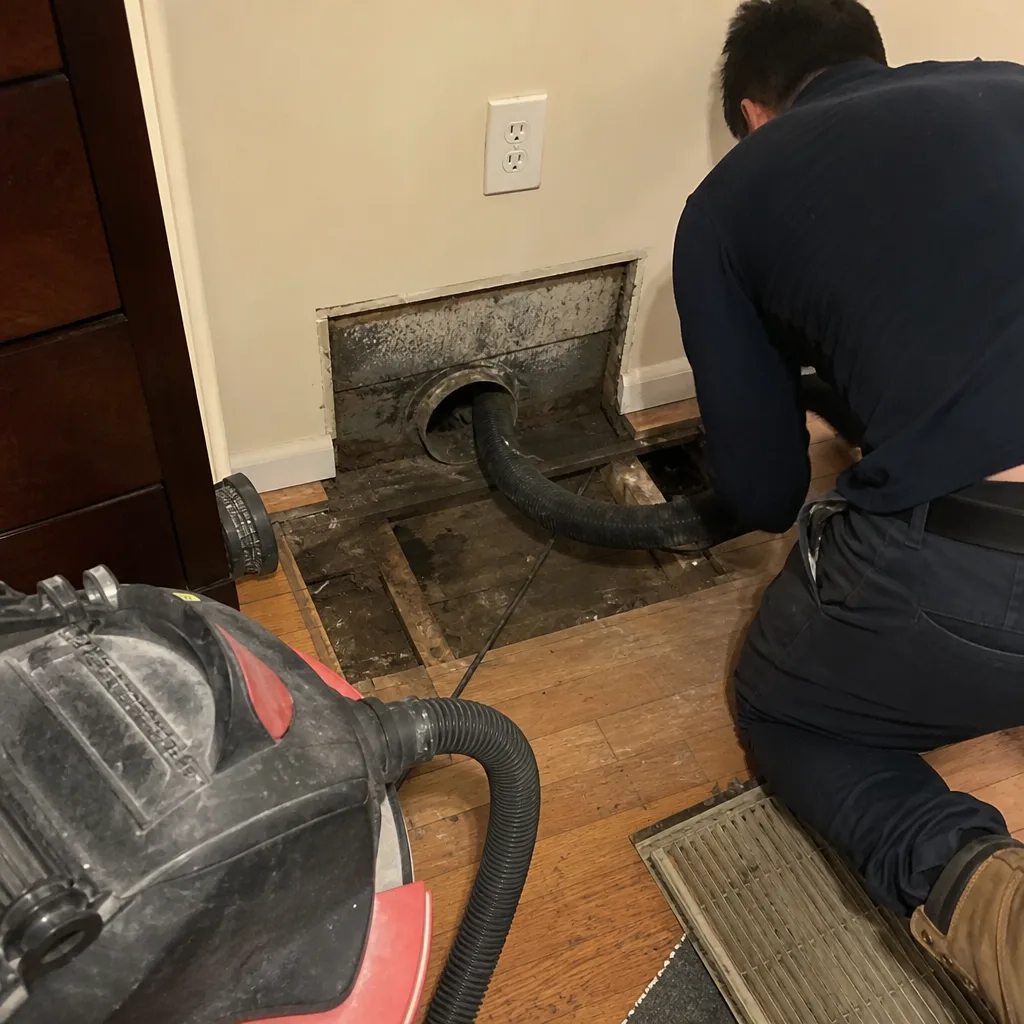 Before
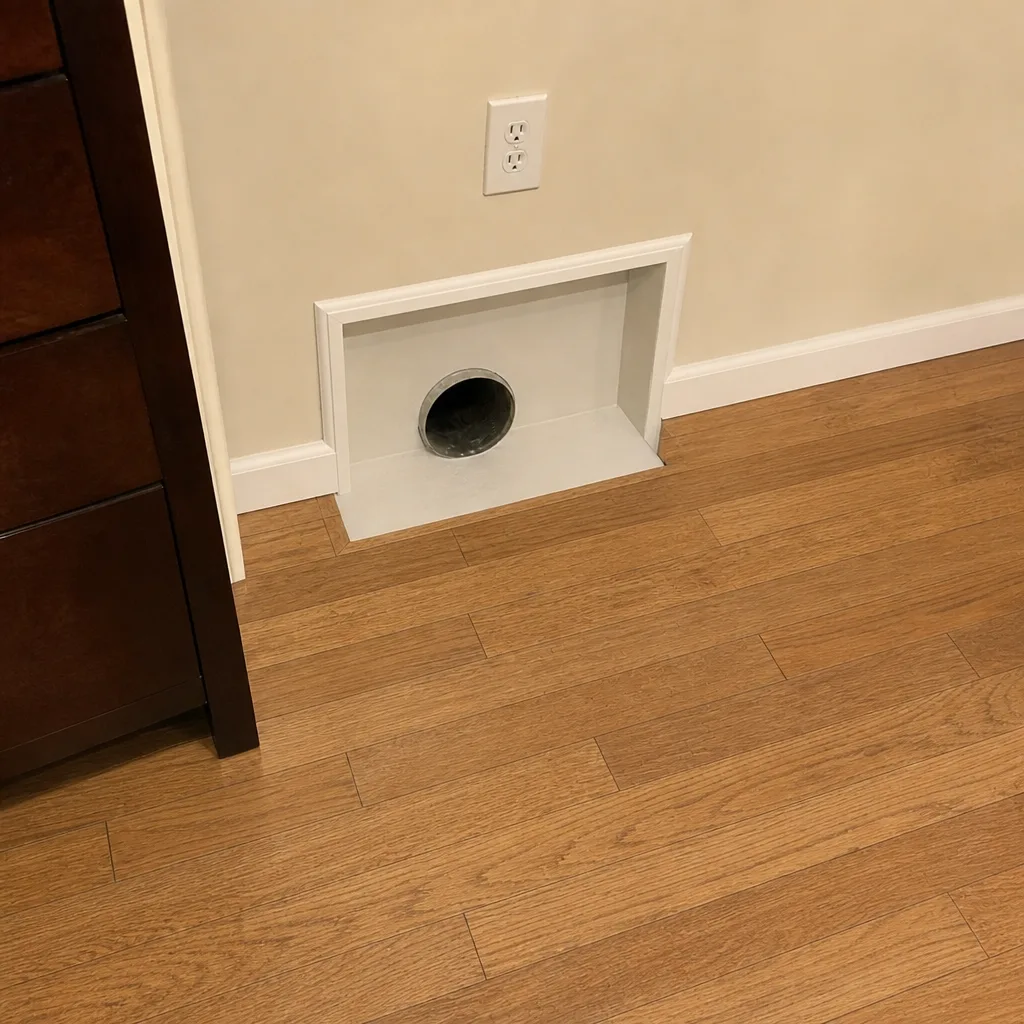 After
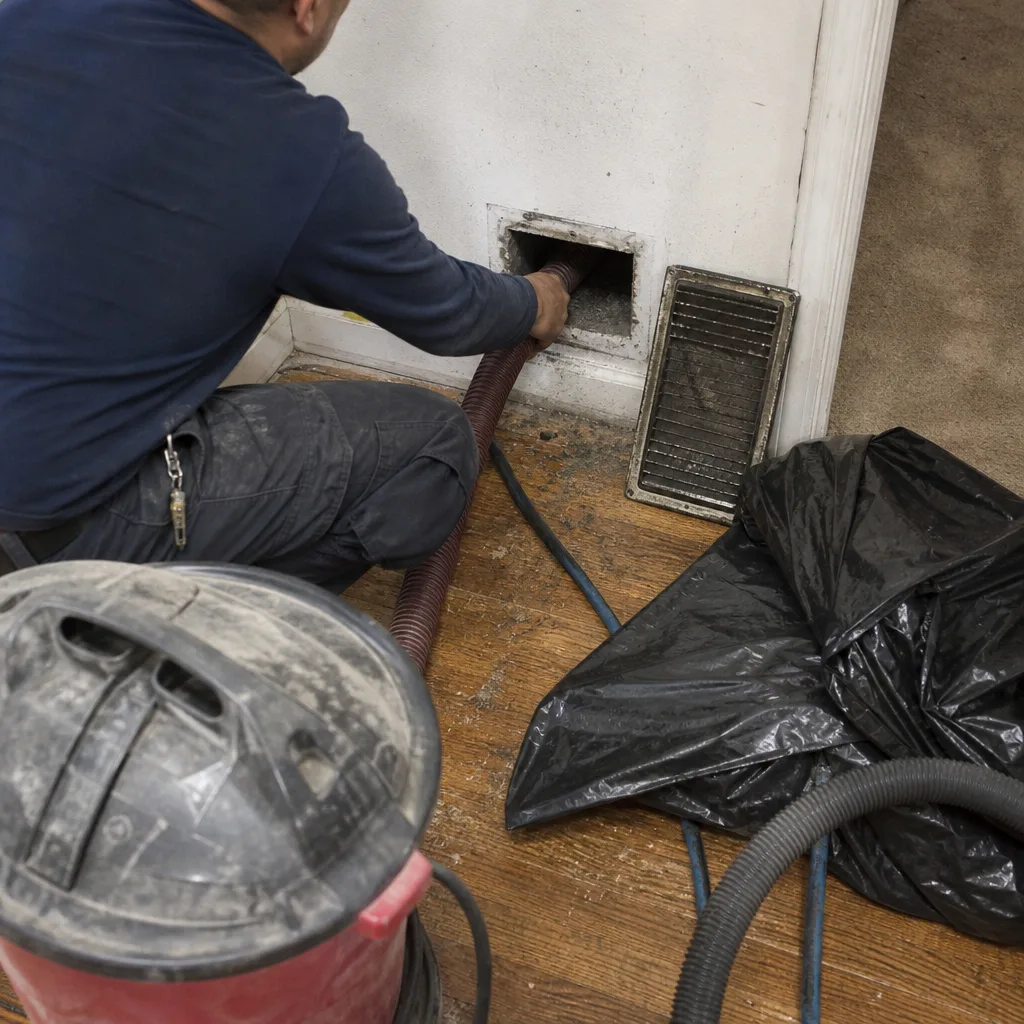 Before
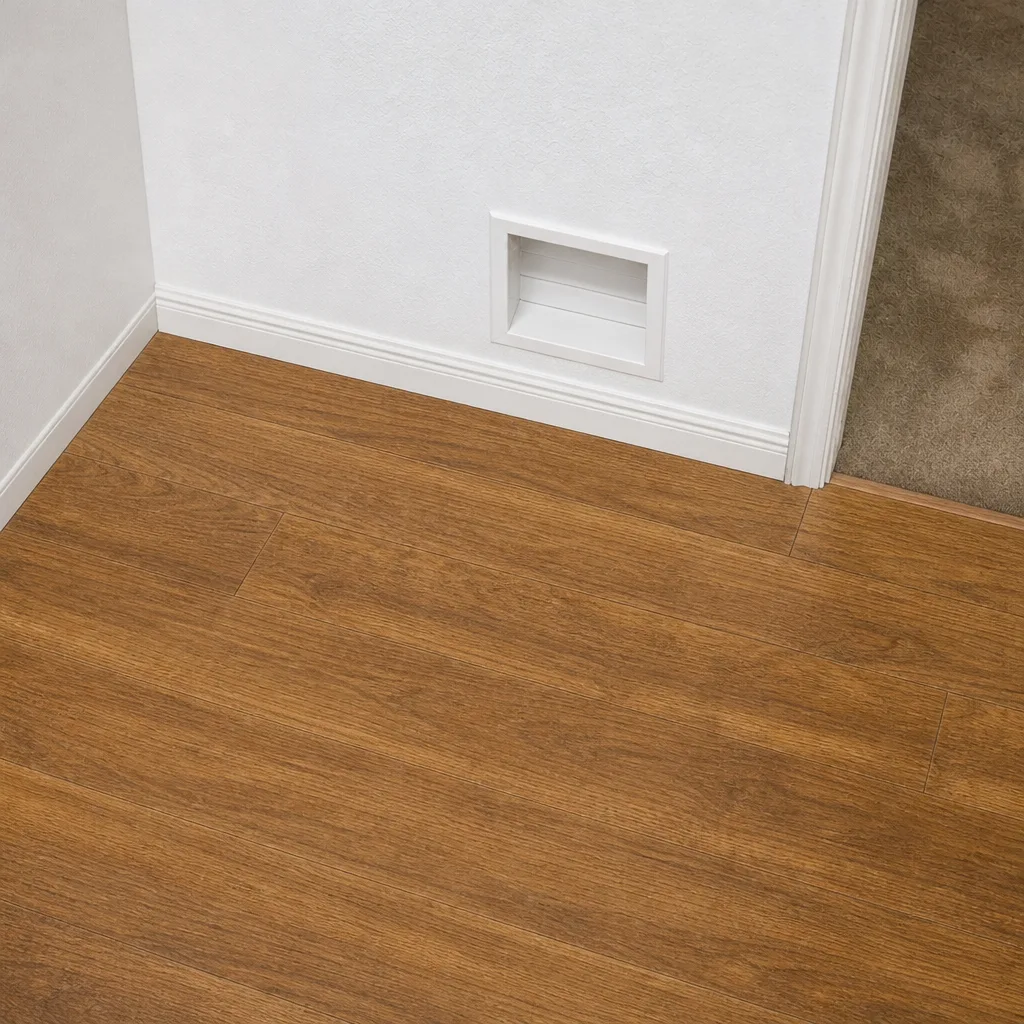 After
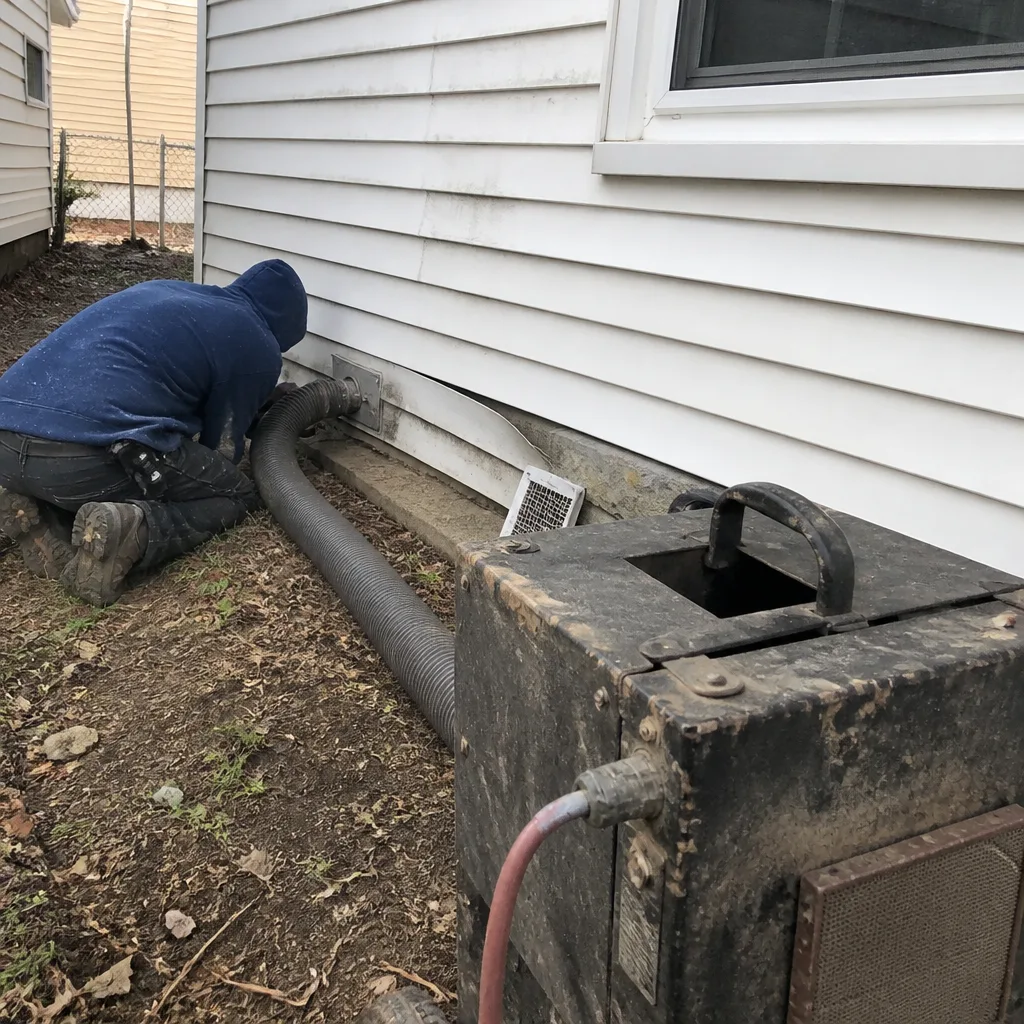 Before
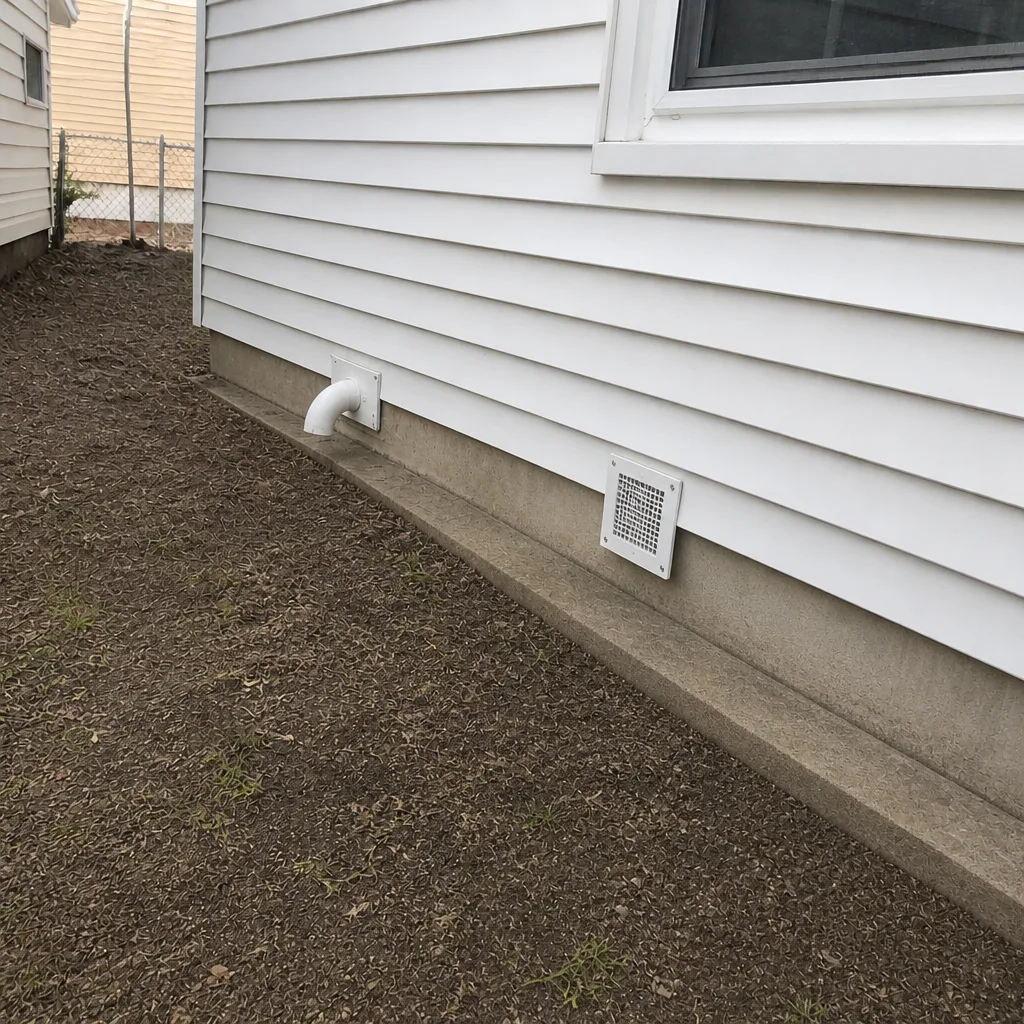 After
Frequently Asked Questions
The price for duct cleaning in Far Rockaway is set per system by a written estimate after an inspection, so it varies with the size and layout of your HVAC system. There is no honest single figure that covers every home, and any quote pinned to a per-vent number should be treated with suspicion. The written estimate states the full price before work starts, and there are no per-vent charges on top. Call (877) 792-6089 for an exact quote – estimates are free.
Cheap quotes usually skip something: containment, HEPA filtration, agitation tools, an inspection step, or post-clean verification. In this trade there is no universal licensing, so an operator can offer a price that only covers a surface pass with a shop vac and call it duct cleaning. The equipment difference is real – contractor-grade systems cost more to run than a handyman’s vacuum. Ask what the low quote includes, line by line. Call (877) 792-6089 for a written quote you can compare.
You know because you see it. A professional clean ends with before-and-after photos of your own ductwork, taken during the visit. Not generic marketing photos, and not “you’ll notice the difference when the air feels better.” If a contractor can’t show you what your ducts looked like before and after, verification hasn’t happened. Ask for that in writing before booking, and call (877) 792-6089 if you want to see what a verified job looks like.
Most homes don’t need it on a fixed schedule. The real triggers are conditions: a renovation, a musty odor, allergy symptoms tied to HVAC use, visible debris at the registers, a home inspection flag, or a system that has never been cleaned. Far Rockaway’s older housing stock and retrofitted HVAC systems often fall into that last group. If any of those apply, get an inspection rather than waiting for a calendar. Call (877) 792-6089 to schedule one – estimates are free.
New York doesn’t issue a specific duct cleaning license, so there’s no license number to check – which is exactly why equipment, containment method, insurance, and a written per-system quote are the things to verify instead. That combination tells you more about a Far Rockaway contractor than any credential could. Call (877) 792-6089 to ask about equipment and insurance on a free estimate.
Yes, if the vent is accessible. Dryer vent cleaning reduces a real fire risk and is a service many duct cleaners skip entirely, which means it often goes years without attention in Far Rockaway homes. Doing it alongside duct cleaning means one visit, one provider, and one written scope covering both. Ask for it explicitly when you book, or call (877) 792-6089 to add it to a free estimate.
The Bottom Line
The Far Rockaway duct cleaning market rewards screening, because New York doesn’t do the screening for you. Four checks cover most of the risk: confirm the equipment (Rotobrush, Nikro, Abatement Technologies), get a confident answer on containment and HEPA filtration, insist on a per-system written quote with an inspection step and before-and-after photos, and verify current liability insurance. Layer those on top of NADCA membership and the credential stops being the whole story. What’s left is a specialist instead of a vacuum with a hose. Keep the original Air Duct Cleaning Far Rockaway page handy for the equipment and service scope, and use the four-step process here before you book anything.
Call (877) 792-6089 for a free estimate. We answer 24/7. Fast dispatch from 7am to 7pm, Sunday through Friday.
Written by the team at Air Duct Cleaning Far Rockaway.