
Last updated November 22, 2026
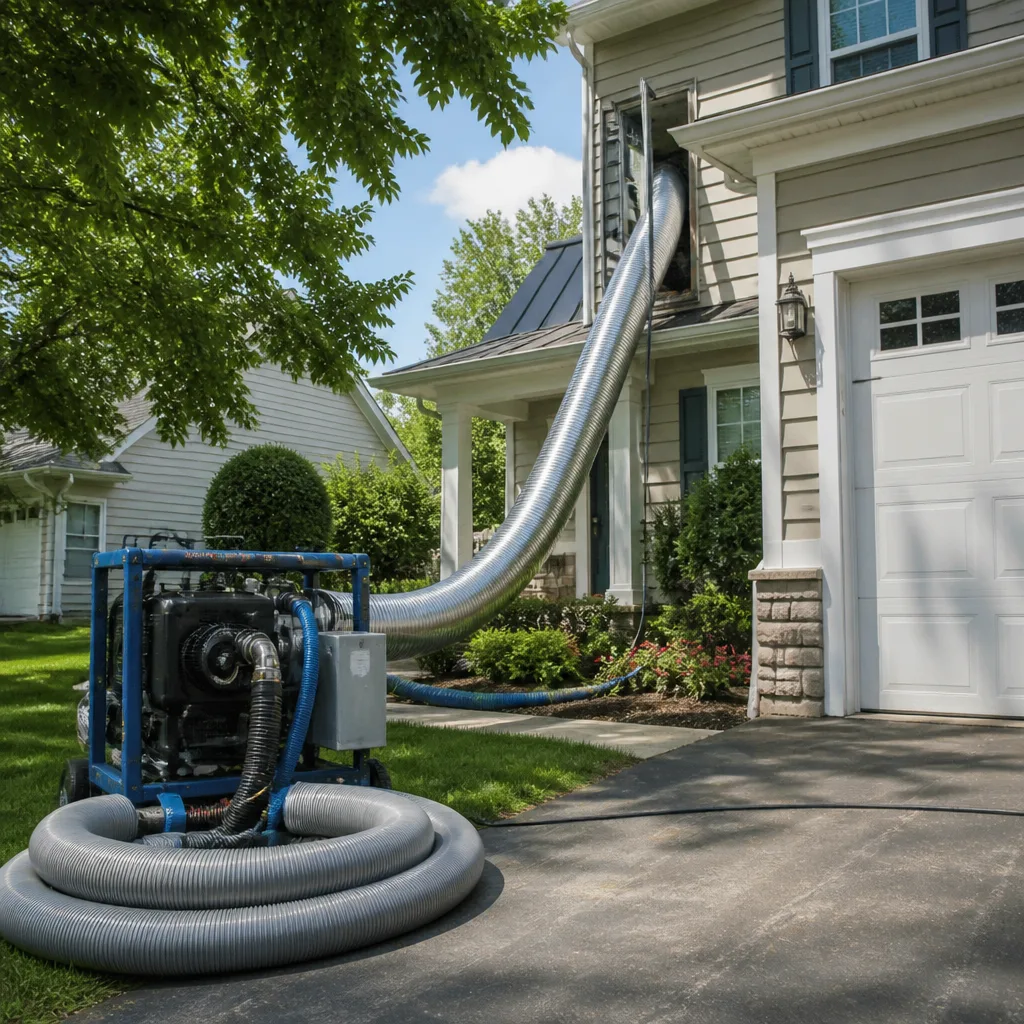 Whole-home duct cleaning
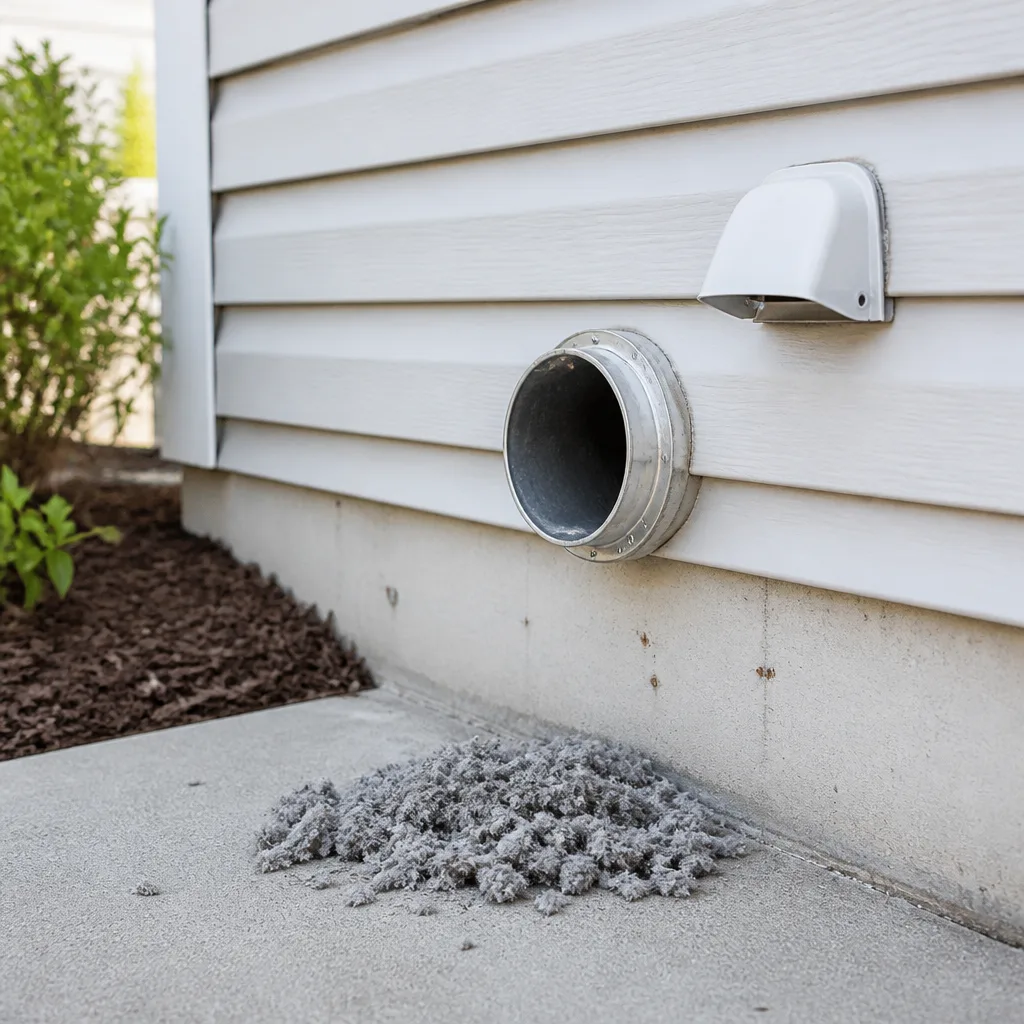 Dryer vent cleaning
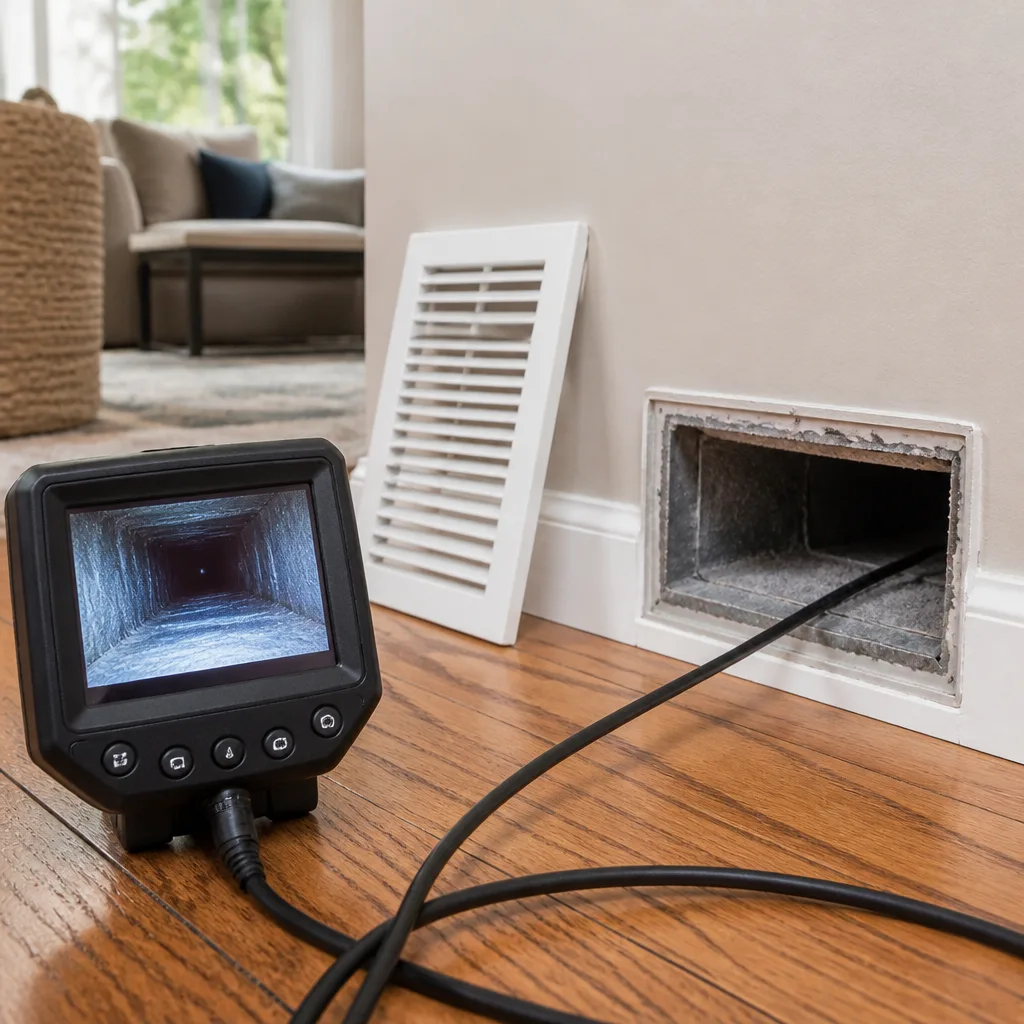 Camera inspection
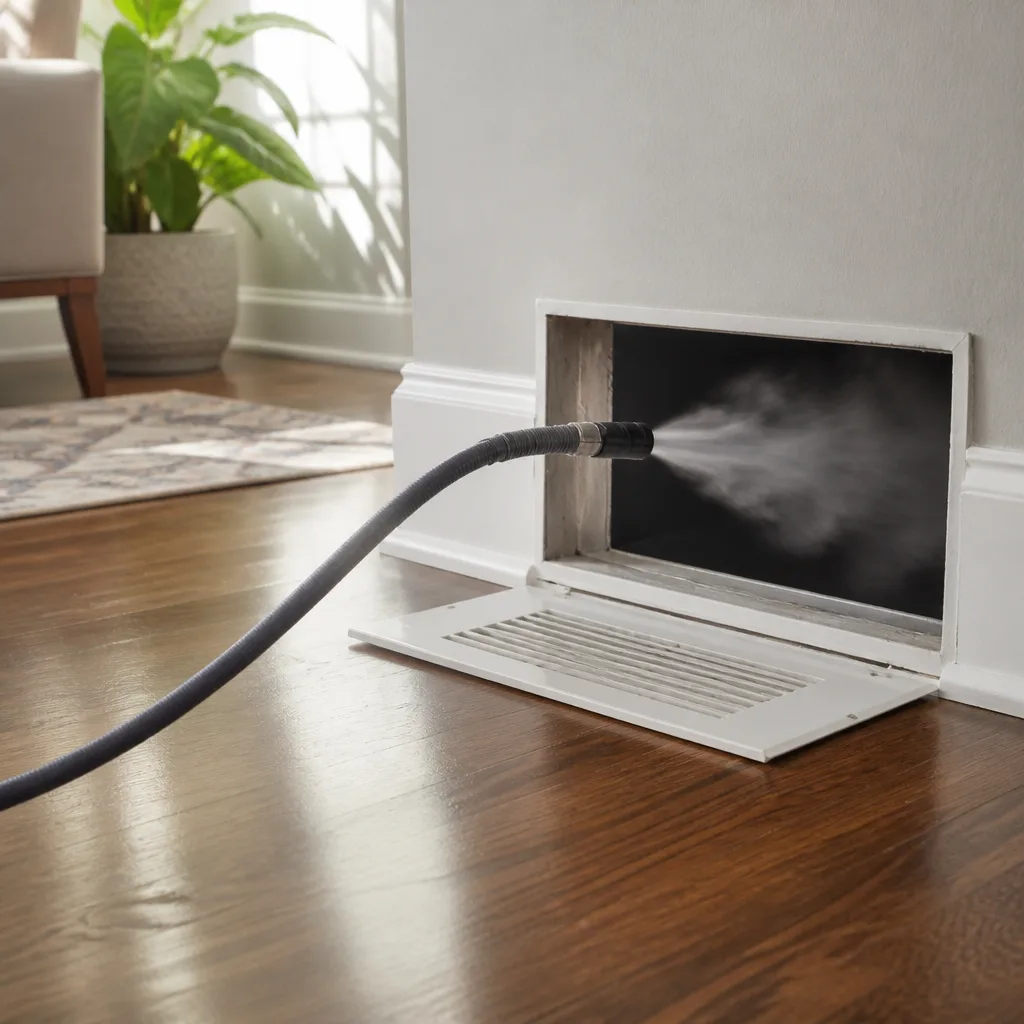 Sanitizing & deodorizing
Whole-system duct and dryer vent check with before-and-after photos - you see exactly what came out of your vents
That "$99 whole-house special" is a bait ad - the real number appears once they are in your hallway, or the "clean" is a shop-vac at the register. We photograph the inside of your ducts before and after instead.
Air Duct Cleaning Emergency Preparedness Guide for Far Rockaway Homes
Most people think about their ductwork when something already smells wrong. By then, the problem has been circulating for weeks. The lesson worth carrying is this: the hours right after a storm decide whether your ducts come through clean or need a full restoration. Far Rockaway sits in a FEMA-designated flood zone with a real history of storm-driven HVAC contamination, and the homeowners who come out ahead are the ones who decided what they’d do before the weather turned. This guide gives you that plan – what to seal up ahead of time, how to judge your system in the first 48 hours, how flood contamination differs from ordinary debris, and how to document everything for an insurance claim.
Quick Answer
To prepare your duct system for a storm in Far Rockaway: seal duct penetrations and outdoor equipment before the event, keep the HVAC system off after flooding until it’s been assessed, and photograph and document everything before any cleanup begins. A duct system exposed to floodwater needs professional cleaning or replacement – not a restart – because water carries silt, bacteria, and debris that ordinary running won’t clear.
Styles & brands we work with
- Whole-home duct cleaning
- Dryer vent cleaning
- Camera inspection
- Sanitizing & deodorizing
Table of Contents
- Before the Storm: Protecting Duct Penetrations and Outdoor Equipment
- The 48-Hour Post-Storm Decision: To Run or Not to Run
- Flood Contamination vs. Surface Debris: Why the Difference Matters
- How to Assess Your Own System Without a Technician
- Documenting Duct Damage for Your Insurance Claim
- What an Emergency Duct Response Should Include
- Cleaning Is Half the Job: Repair, Sealing, and Sanitizing
- Building Your Emergency Duct Kit and Plan
Before the Storm: Protecting Duct Penetrations and Outdoor Equipment
Pre-storm work is almost always cheaper than post-storm repair. In a flood zone, water finds its way into a duct system through the same weak points every time: crawlspace and basement penetrations, the outdoor condenser pad, and any gap where the supply duct meets a floor register near grade. Walk your system before a major weather event and close those openings down.
What to do before the weather turns:
- Seal low duct penetrations. Foam weatherstripping or silicone caulk around any supply or return register close to floor level reduces the chance water wicks in.
- Cover the outdoor condenser. A fitted tarp with a secure tie-down keeps driven rain and debris out of the fan housing. Never run a covered unit.
- Check the crawlspace and basement. Seal any obvious gaps where ductwork passes through a foundation wall, and make sure the space drains.
- Photograph the pre-storm condition. Clear before photos of basement registers, the condenser unit, and each duct run become the baseline for your insurance claim if damage occurs.
- Test the system the day before. Confirm airflows freely at each register so you know any post-storm change means damage, not a pre-existing issue.
In Far Rockaway, the low-lying blocks closer to the water take on floodwater faster than the raised housing further inland, so the amount of pre-storm work you do should scale to your street’s history. If your home flooded in a prior storm, treat pre-storm sealing as mandatory, not optional.
The 48-Hour Post-Storm Decision: To Run or Not to Run
The single most expensive mistake after a storm is turning the HVAC system back on too early. If floodwater reached any part of your ductwork, running the system pushes contaminated air through every room of the house. In the first 48 hours, your job is to figure out which of two situations you’re in.
Situation A: No water intrusion
If no water reached the basement, crawlspace, or any floor register, the system is likely safe to test. Turn it on briefly, listen for unusual noise, and check each room for airflow. A musty or damp smell at the registers is a reason to turn it off and call a professional for an inspection.
Situation B: Any water intrusion
If water touched the ductwork at all, keep the system off. Water inside a duct system is not just wet air – it deposits silt, bacteria, and organic material on the duct walls, and running the system grows mold within days and spreads everything. In Far Rockaway, where storm surge and heavy rainfall can move water through a crawlspace fast, err toward Situation B. If you can’t tell which situation applies, treat it as B. The cost of a professional inspection is far less than the cost of running a contaminated system for a week.
When you call, be ready to describe: how high water reached, which registers or floor levels are involved, how long the water sat, and whether the system ran at any point after the storm.
Flood Contamination vs. Surface Debris: Why the Difference Matters
Ordinary duct cleaning addresses house dust, pet hair, and the dust-shedding buildup that accumulates over years of normal use. That’s surface debris, and it’s cleared with standard contractor-grade cleaning. Flood contamination is different, and the difference determines whether cleaning is enough or replacement is required.
Surface debris:
- Loose dust, dander, hair, and settled particles on duct walls
- Removable with standard negative-pressure cleaning
- Improves airflow and air quality after one service visit
Flood contamination:
- Silt and mud left behind after water drains – often the most damaging material because it sticks and dries
- Bacteria and biological material from floodwater, which can grow inside a still, damp duct
- Waterlogged or crumbling duct materials – especially insulated flexible duct, which cannot be dried reliably and typically must be replaced
- Mold growth within 24 to 48 hours in warm, humid conditions
If the ductboard or flexible runs are waterlogged, they need replacement, not cleaning. Only a technician who inspects the system can make that call definitively. Getting it wrong in either direction wastes money or leaves contamination in place.
How to Assess Your Own System Without a Technician
You can’t fully diagnose a duct system without equipment, but you can gather the right information before a technician arrives. A careful walkthrough makes the first visit faster and the estimate more accurate. Use this checklist in the first 48 hours after a storm in Far Rockaway:
- Check each register for visible moisture, silt, or a musty smell. Note which rooms are affected.
- Inspect the air handler or furnace cabinet for water staining and dripping.
- Smell the air at the central return. A musty smell usually means moisture in the duct system.
- Look behind the outdoor unit for standing water, silt, or debris around the pad.
- Check the filter for mud or water staining. A stained filter is a sign water moved through the system.
- Confirm the system is off if any of these signs appear, and leave it off.
Never open the air handler or furnace cabinet yourself beyond the filter slot; those cabinets house electrical components that are dangerous to handle. Write down what you observed with times and dates. The notes you take in the first 48 hours are usually what gets a claim approved.
Documenting Duct Damage for Your Insurance Claim
In a FEMA-designated flood zone, the documentation you assemble in the first days after a qualifying event can mean the difference between a covered repair and a denied claim. Flood damage to HVAC and duct systems is commonly covered, but you have to prove it. Do this before any cleanup begins:
- Photograph before touching anything. Wide shots of each affected room and close-ups of water lines, mud on registers, and the stained filter.
- Photograph and measure the high-water mark on basement walls and duct runs.
- Save the date and time of the storm event and when you turned off the system.
- Keep every filter and piece of damaged duct material until the adjuster sees it.
- Get a written professional assessment that states what happened to the duct system and why it can or cannot be cleaned.
- File early. Insurance claims for flood damage typically have a filing window. Contact your carrier before the paperwork sits too long.
Ask the assessing technician for a written report that separates flood damage from pre-existing conditions. That language matters to an adjuster. A well-documented report from a qualified duct specialist is often the evidence that carries a claim.
What an Emergency Duct Response Should Include
A standard cleaning visit and a post-flood emergency visit are not the same job. Most duct cleaners clean and leave. On a storm-damaged system, the first visit needs to be a diagnosis and containment job before any final cleaning begins.
A qualified post-storm first visit should involve:
- Full visual inspection of duct runs, the air handler, and the outdoor equipment
- Moisture assessment – not just visible water, but lingering damp in the duct interior
- Negative-pressure containment during any cleaning, so disturbed contamination doesn’t end up back in your living space
- Condition classification – a clear statement of what can be cleaned and what must be replaced
- Written documentation for your records and your insurer
Containment and filtration are what separate a professional remediation-level visit from a basic cleaning. Our technicians use Abatement Technologies equipment for exactly that reason: on a flood-damaged system, controlling what comes out of the ductwork is as important as what goes into removing it. At Air Duct Cleaning Far Rockaway, we’ve walked homeowners through this assessment enough to know that the first visit is where the plan should form. A technician with up to 14 years of experience has seen how differently flood damage presents from ordinary buildup, and that judgment is the point of the visit.
Cleaning Is Half the Job: Repair, Sealing, and Sanitizing
Cleaning a storm-damaged duct system solves only part of the problem. Silt, moisture, and debris often expose failures in the ductwork itself – loose joints, crushed sections, torn flexible runs, and gaps that let outside air back in. Cleaning a system with leaks just gives the leaks a fresh start. After a storm, have the technician evaluate three things:
- Damage assessment. Which ducts can be cleaned and dried, and which need replacement.
- Sealing and repair. Reconnecting and sealing runs so the system performs as designed.
- Sanitizing. Cleaning and treating the system to address microbial and odor issues left by the water.
We work with Rotobrush and Nikro systems for contractor-grade cleaning, which handle the deep debris extraction that a consumer shop-vac can’t. Sanitizing is a separate step, but on a flood-exposed system it matters: the point is not to mask a smell, but to remove what causes it. Our air quality and sanitizing service uses Guardsman-level surface protection as part of the treatment. If the system uses a Honeywell or Aprilaire air-quality component, we can advise on compatibility and what to check afterward so the whole system stays consistent. Doing all of this in one place saves you the trouble of coordinating a cleaner and a separate repair contractor.
If you’d like to understand the full scope of what a service should cover, our air duct cleaning page walks through the complete process from inspection to final verification.
Building Your Emergency Duct Kit and Plan
The time to prepare is before the storm. A simple kit and a written plan turn a chaotic few days into a manageable sequence. Here’s what we recommend every Far Rockaway homeowner keeps on hand and knows how to use.
Your emergency duct kit
- Flexible weatherstripping and a tube of silicone caulk
- A fitted tarp and tie-downs for the outdoor condenser
- Nitrile gloves and a mask for the walkthrough
- A flashlight and a notepad for documenting conditions
- A spare HVAC filter
- The phone number for your duct specialist, saved on your phone
Your pre-season checklist
- Walk your system before the season. Note any existing leaks or weak points.
- Seal low penetrations around registers and foundation passes.
- Take a set of pre-storm photos of every register and outdoor component.
- Write out your contact and insurer information and keep it in the kit.
- Book a pre-season duct inspection so you know your system’s baseline condition.
A pre-season cleaning also leaves the system at its best before a major event, which makes it easier to judge what’s storm damage versus what was there before. If you haven’t scheduled one in a while, our main air duct cleaning Far Rockaway page explains what a standard service visit covers and how it differs from the post-storm response. Beyond the ducts themselves, two related systems deserve attention in your kit: dryer vent cleaning reduces fire risk in a home where water damage may have pushed lint into vents, and HVAC cleaning rounds out the system-level care a storm-ready home needs.
Common Mistakes to Avoid
- Running the HVAC right after flooding. This is the mistake that turns a cleanable system into a replacement. Keep the system off until it’s been inspected.
- Drying the ducts without cleaning them. Drying settles silt and biological material into the duct walls. Cleaning comes first, then drying.
- Cleaning the ducts but skipping the repair. Cleaning a leaking duct system solves nothing; sealing the leaks is what makes the cleaning last.
- Skipping the before photos. In a FEMA-designated flood zone, your insurer will want a documented baseline. Far Rockaway homeowners who don’t take the pre-storm photos often struggle to prove what was damaged.
- Expecting one quick visit to solve it all. A flood-exposed system often needs an assessment, cleaning, sealing, and sanitizing – sometimes across more than one visit.
- Choosing the cheapest quote after a storm. Pop-up cleaners appear after major weather events, and the low bid usually means a smaller scope than the job needs.
- Replacing the HVAC system when the ducts are the problem. A working air handler and a contaminated duct system are two separate matters. Diagnose the ducts first.
See the difference
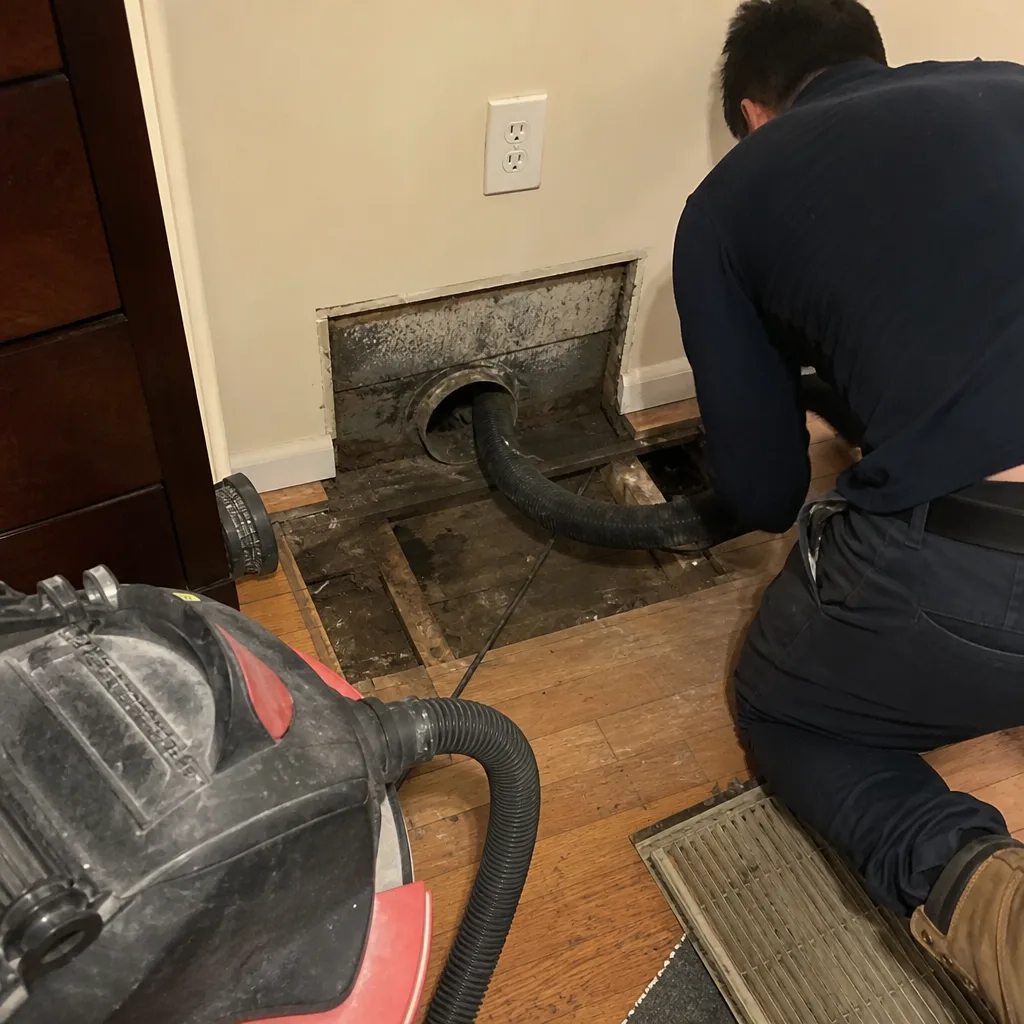 Before
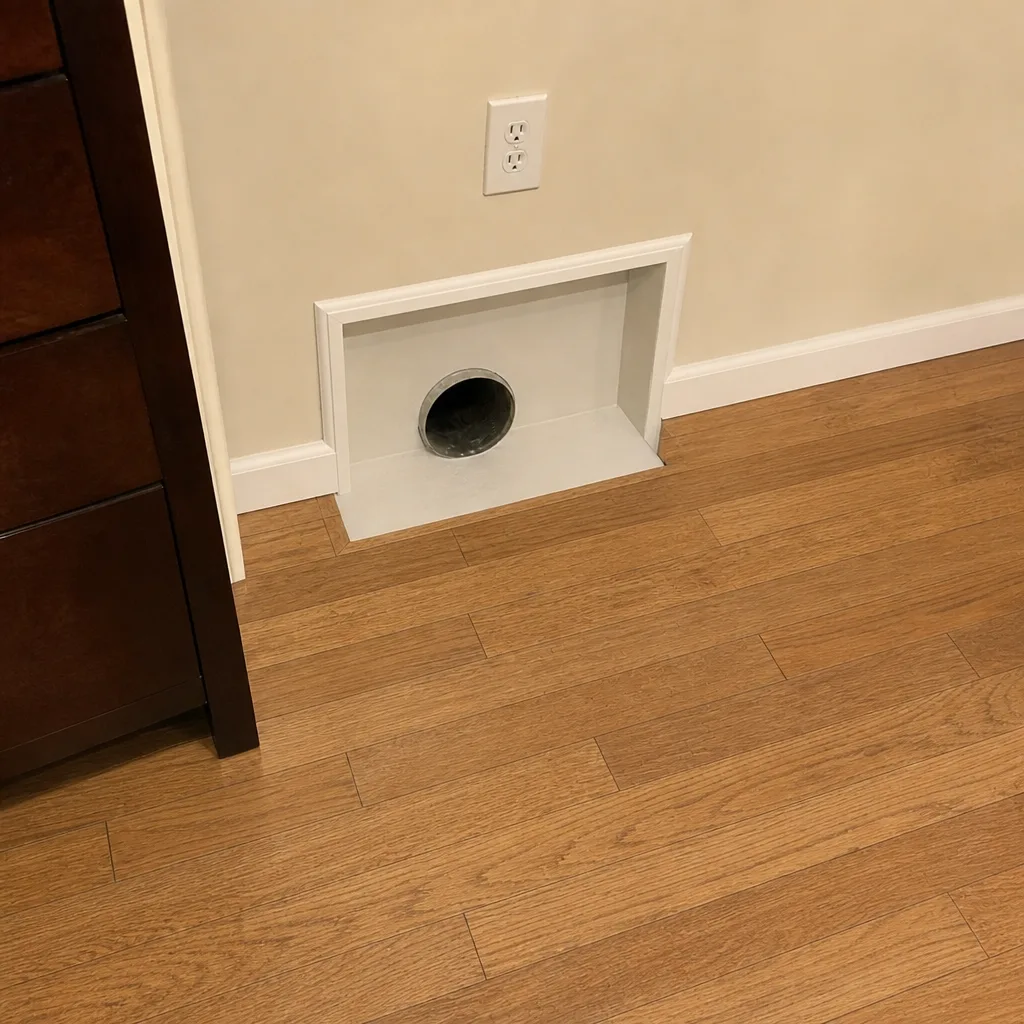 After
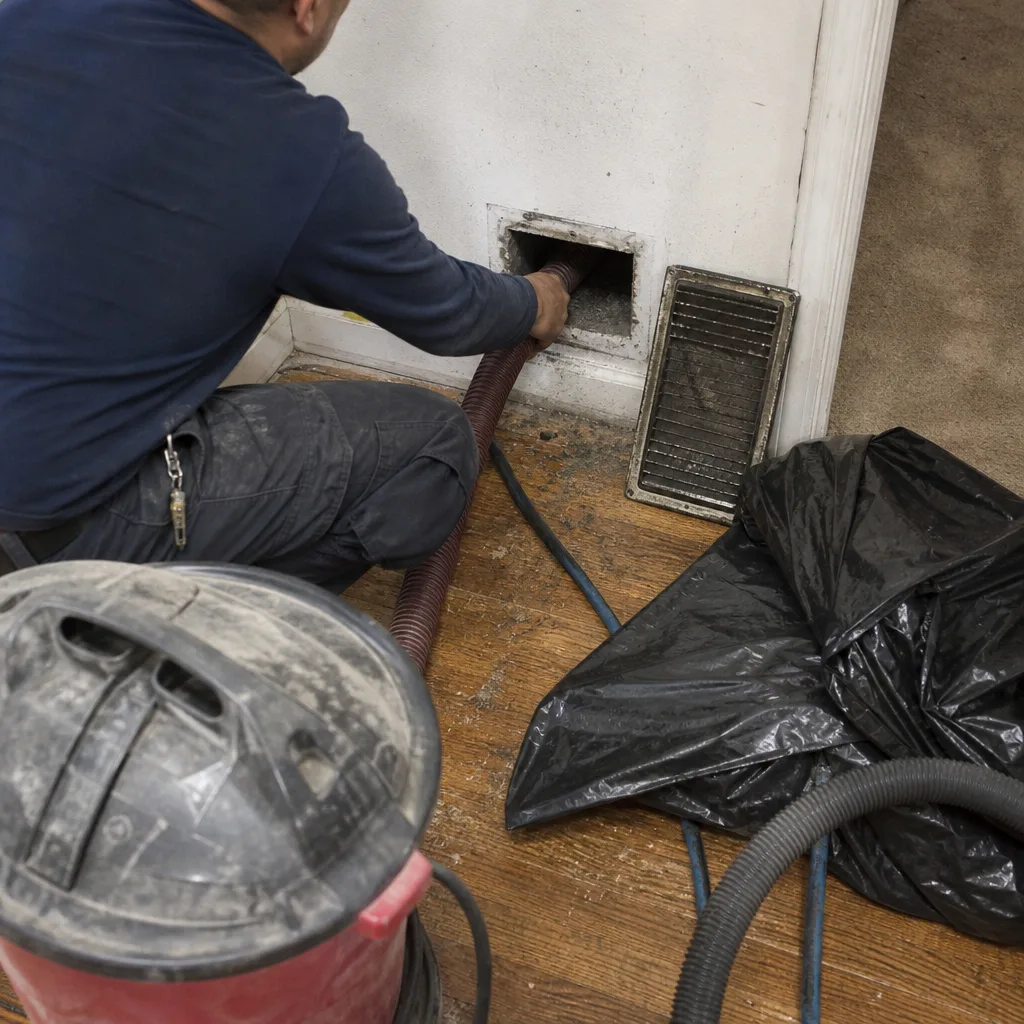 Before
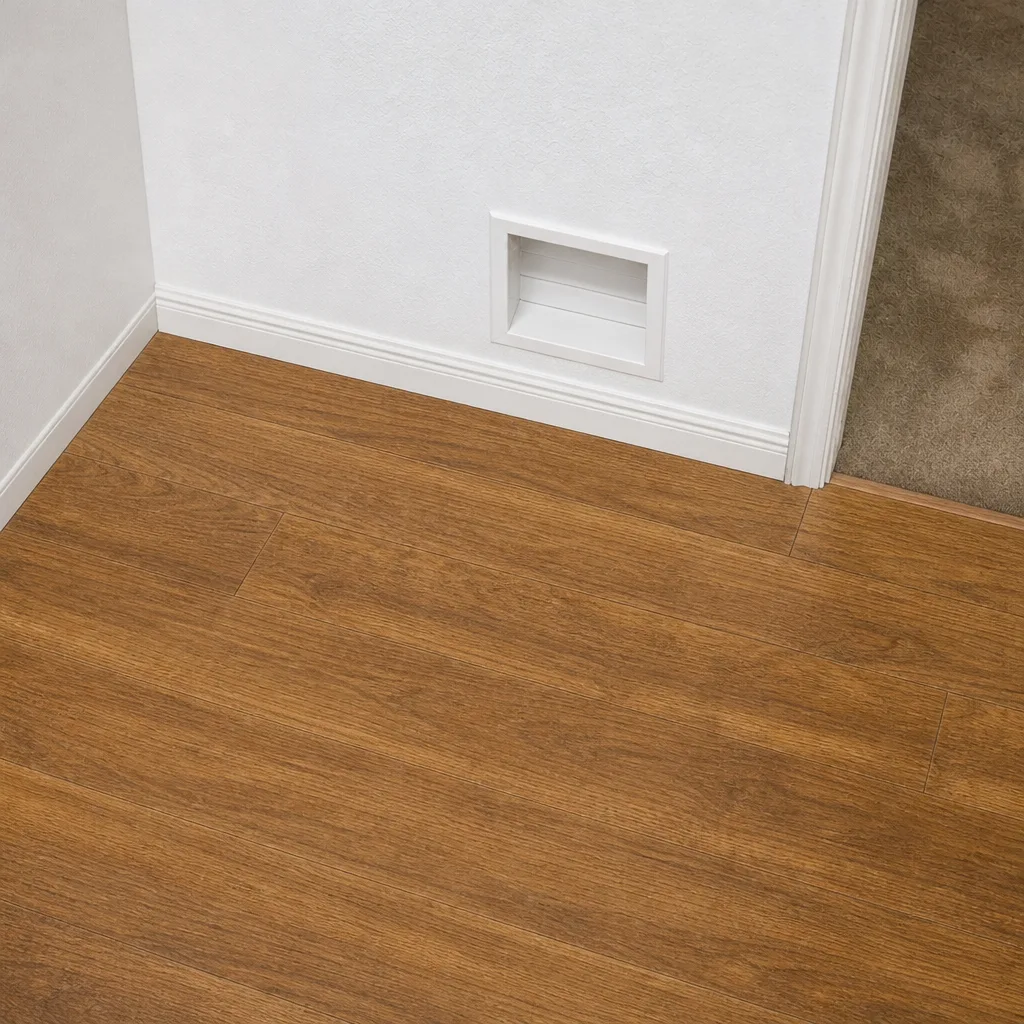 After
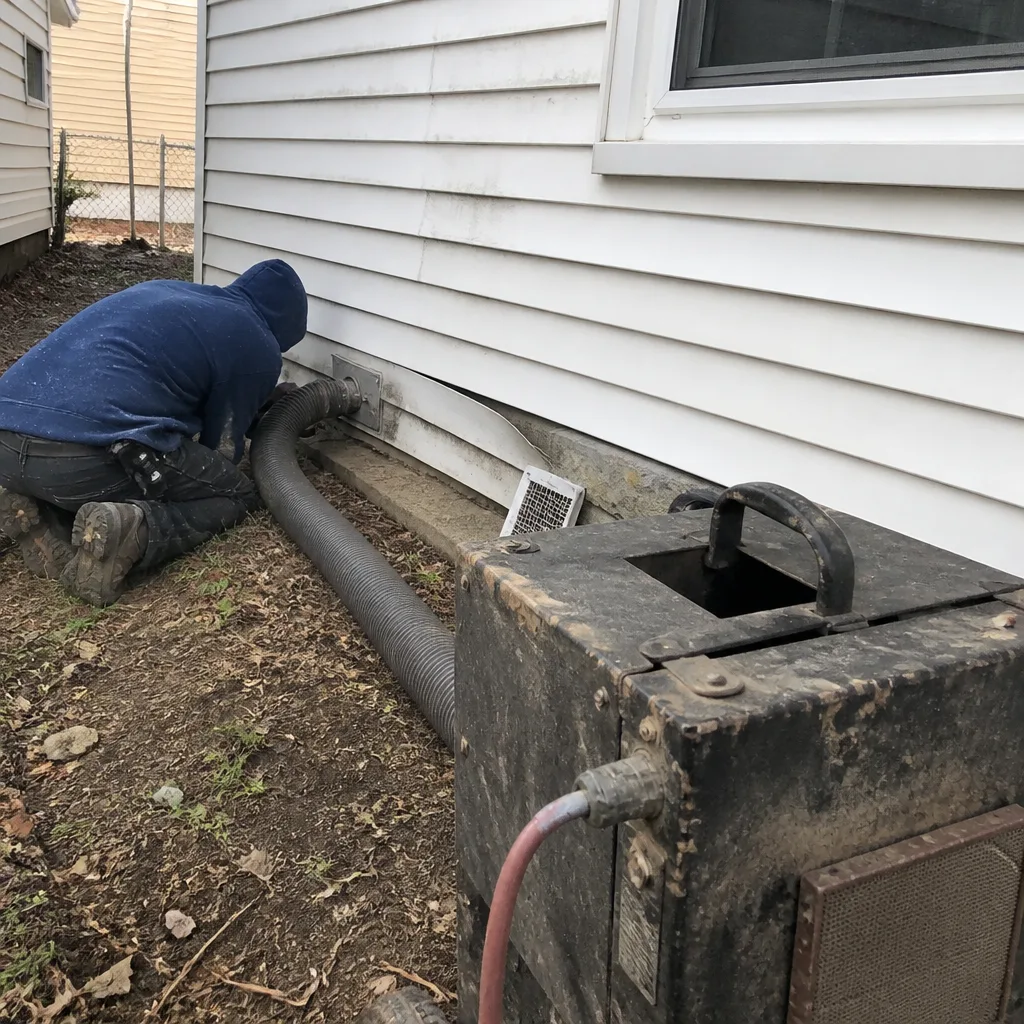 Before
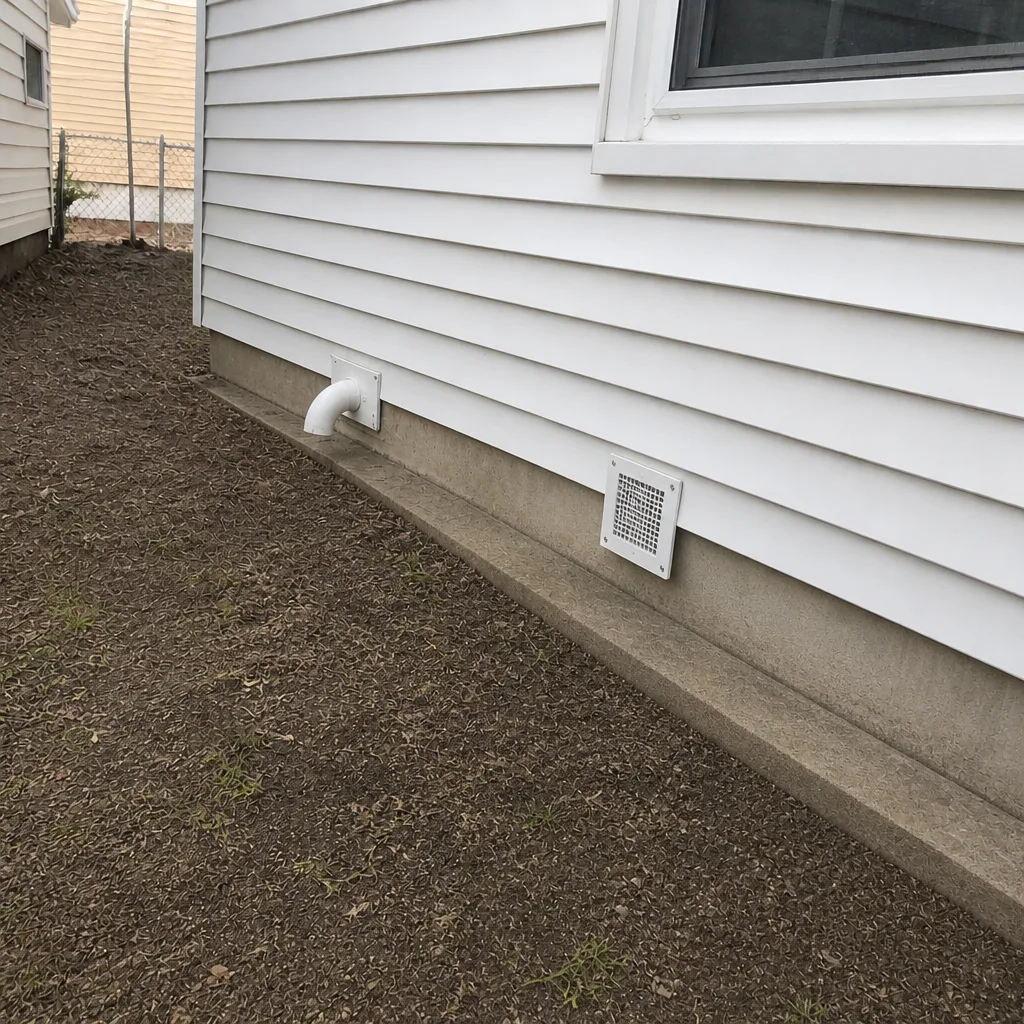 After
When to Call a Professional
Call a professional duct specialist if any water reached your ductwork, if any register shows silt or mud, if a musty smell is present anywhere in the house, or if the HVAC system ran for any length of time after a storm. Also call if the system seems to work normally but the filter is stained or the airflow has dropped noticeably. Those signs point to damage inside the ducts that you can’t see. In Far Rockaway, where storm surge and heavy rainfall can move water into a crawlspace quickly, any flood event on your block is a reason to have the system checked.
Air Duct Cleaning Far Rockaway offers free estimates in Far Rockaway – call (877) 792-6089. We answer 24/7. Fast dispatch from 7am to 7pm, Sunday through Friday. The estimate is free, and the price is set per job by the written estimate before work starts.
Frequently Asked Questions
Only if no water reached the ductwork, the basement, or any floor register. If any water intrusion occurred, keep the system off until it’s been inspected. Running a contaminated system spreads silt, moisture, and biological material through every room, and it can turn a cleanable system into one that needs replacement.
Flood damage leaves silt or mud sticking to the duct walls, water staining on filters, and a musty odor at the registers. Ordinary dirt is loose and dust-like. Look at the filter: a stained or mud-spotted filter usually means water moved through the system. When in doubt, treat it as flood damage and call a professional to confirm.
Damage from a qualifying flood event is commonly covered, but you have to document it properly. Photograph everything before cleanup, measure the high-water line, keep damaged materials, and get a written professional assessment. Contact your carrier early, because flood claims have filing windows. Ask the assessing technician for a report that clearly separates storm damage from pre-existing conditions.
Get them cleaned as soon as the water recedes and a professional can inspect them. Mold can begin growing in warm, damp ducts within 24 to 48 hours, and the longer contamination sits, the more likely the damage requires replacement rather than cleaning. Waiting does not save money; it usually costs more.
Flexible insulated duct that has been soaked typically can’t be dried reliably and usually needs replacement. Rigid metal duct can often be cleaned and dried. Only a technician can evaluate which of your runs fall into which category, so don’t assume a cleaning will solve it until the system is inspected.
Homes in flood-prone parts of Far Rockaway benefit from a pre-season inspection each year so you know your system’s baseline, plus a full cleaning whenever a storm event has affected the property. Homes on higher ground with no water intrusion can follow the usual interval. Keep your written pre-season report – it makes any later storm damage easier to prove.
The Bottom Line
Storm damage to a duct system is preventable in most cases, but only if you plan before the weather turns. Seal the penetrations, keep the HVAC off until you know whether water reached the ducts, photograph and document everything, and get a professional assessment before you clean or replace. The distinction between surface debris and flood contamination decides whether cleaning is enough or whether the ductwork needs replacement – and the documentation you gather in the first 48 hours is what carries your insurance claim. Preparation is the whole game. Call (877) 792-6089 for a free estimate, and we’ll help you build a plan for your home.
Written by the team at Air Duct Cleaning Far Rockaway.